19 Jun 2026
Virtual Dealer Technology: Tracing Its Influence on Regional Development Patterns
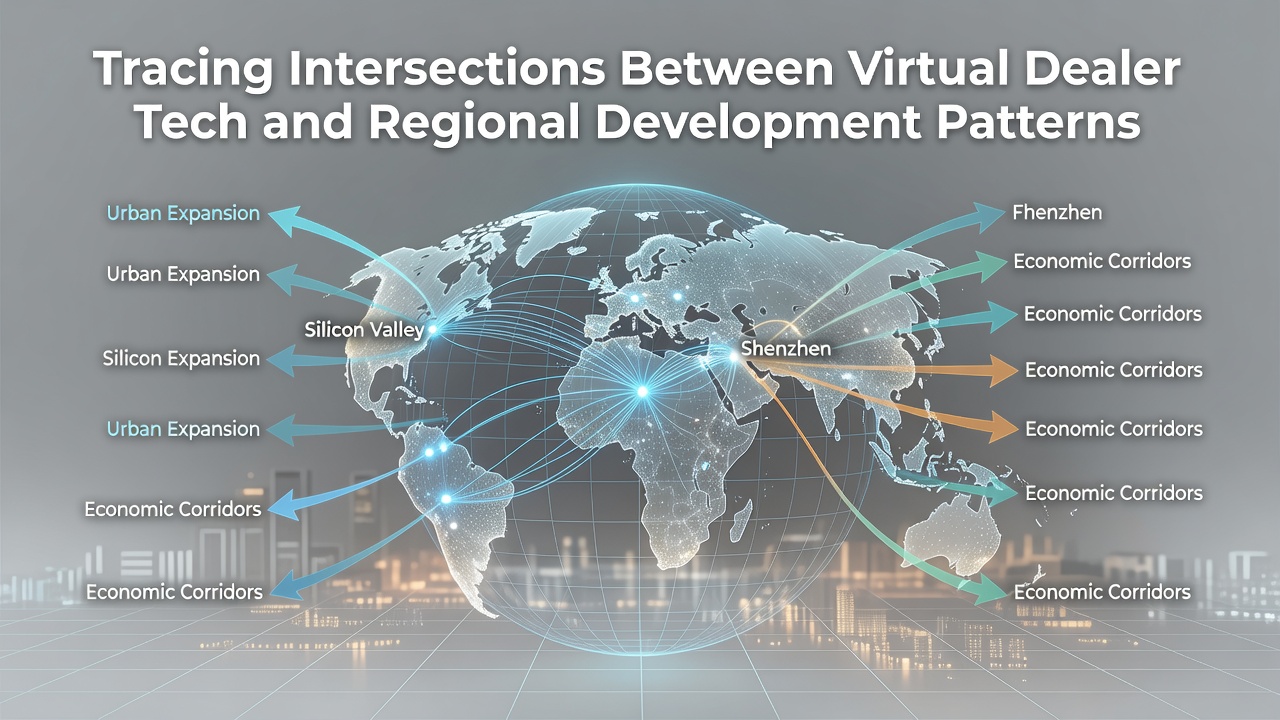 Virtual dealer technology relies on live video streams from centralized studios that connect players across global networks to real-time gaming sessions. This approach combines high-definition cameras, secure data transmission protocols, and regulatory compliance systems that operate in specific geographic clusters. Regions hosting these facilities often experience shifts in employment patterns, broadband investment, and commercial real estate demand as operators scale production. Studios typically locate near reliable power grids and fiber optic networks because uninterrupted streams require low-latency connections. Data from industry reports indicate that facilities in Eastern Europe and parts of Southeast Asia expanded rapidly between 2020 and 2025, drawing on existing technology parks originally built for software outsourcing. Those same parks now support dealer training centers, video production teams, and compliance monitoring units that add layers of local economic activity.
Virtual dealer technology relies on live video streams from centralized studios that connect players across global networks to real-time gaming sessions. This approach combines high-definition cameras, secure data transmission protocols, and regulatory compliance systems that operate in specific geographic clusters. Regions hosting these facilities often experience shifts in employment patterns, broadband investment, and commercial real estate demand as operators scale production. Studios typically locate near reliable power grids and fiber optic networks because uninterrupted streams require low-latency connections. Data from industry reports indicate that facilities in Eastern Europe and parts of Southeast Asia expanded rapidly between 2020 and 2025, drawing on existing technology parks originally built for software outsourcing. Those same parks now support dealer training centers, video production teams, and compliance monitoring units that add layers of local economic activity.Infrastructure Demands and Regional Planning
Operators select sites based on electricity costs, internet redundancy, and labor availability rather than traditional tourism metrics. Cities that invested early in 5G backhaul and data center capacity attracted multiple providers, which in turn prompted local governments to update zoning rules for mixed-use commercial spaces. One study from the University of Nevada Reno examined how studio construction correlated with increased demand for skilled technicians and language specialists in adjacent counties. Planners in these areas coordinate with utility companies to forecast load growth from continuous broadcast operations. Such coordination produces measurable effects on regional budgets allocated to grid upgrades and workforce programs. Observers note that permits for studio expansions frequently bundle requirements for community broadband extensions, linking private sector projects to broader public infrastructure goals.Employment Patterns Across Different Markets
Workforce composition varies by jurisdiction. In regulated North American markets, studios employ dealers licensed through state gaming authorities alongside software engineers who maintain backend systems. European hubs emphasize multilingual staff who serve diverse player bases while meeting strict data protection standards. Australian operators have integrated virtual dealer operations into existing media precincts, creating hybrid roles that blend broadcast production with customer support. Training programs sponsored by regional development agencies teach dealers game rules, camera presence, and platform navigation. These programs often partner with community colleges, producing graduates who transition into adjacent sectors such as e-sports production or corporate video services. Employment figures released by the Nevada Department of Employment, Training and Rehabilitation show steady growth in information sector jobs tied to live streaming facilities through late 2025.