7 Jun 2026
The Digital Threads of Gambling: How Data Networks Weave Together Affiliates, Resorts, and Oversight in Global Markets
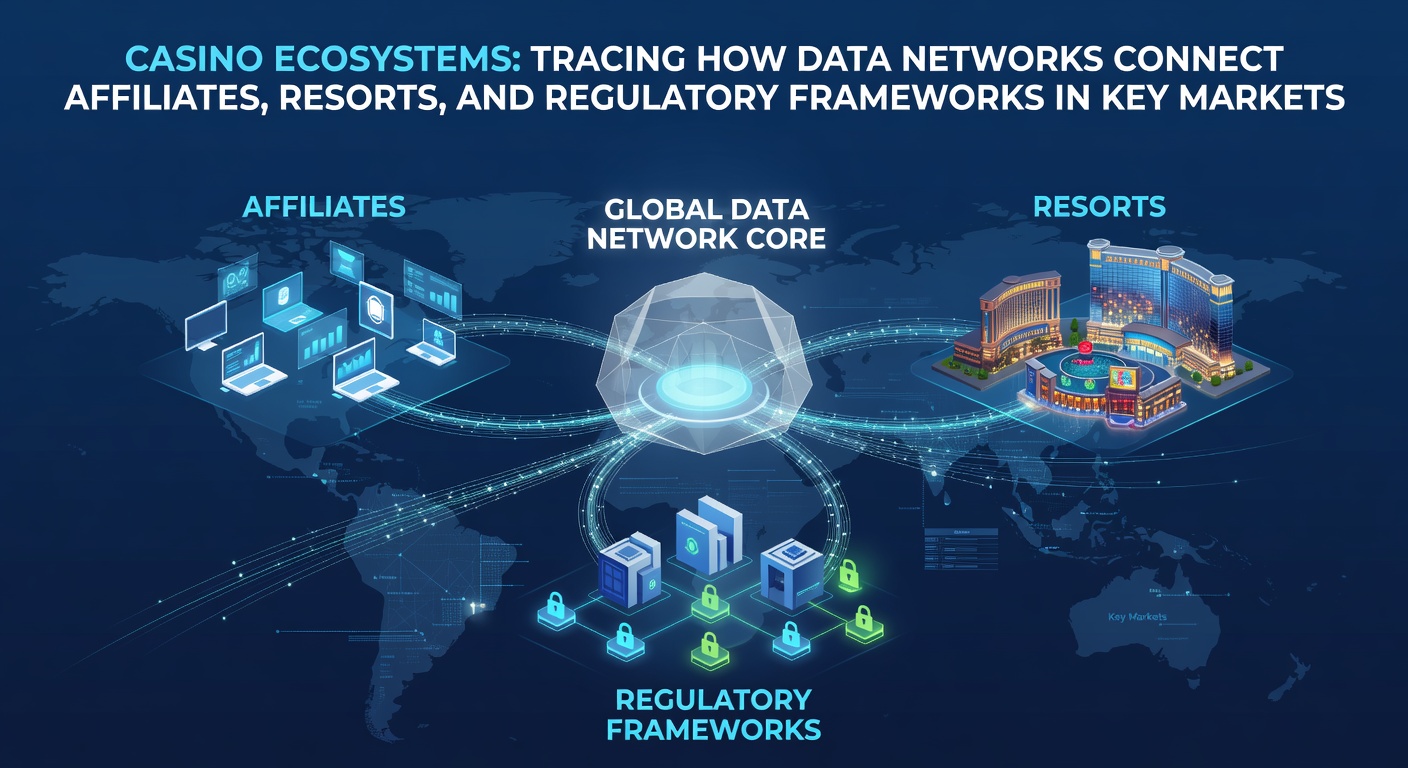
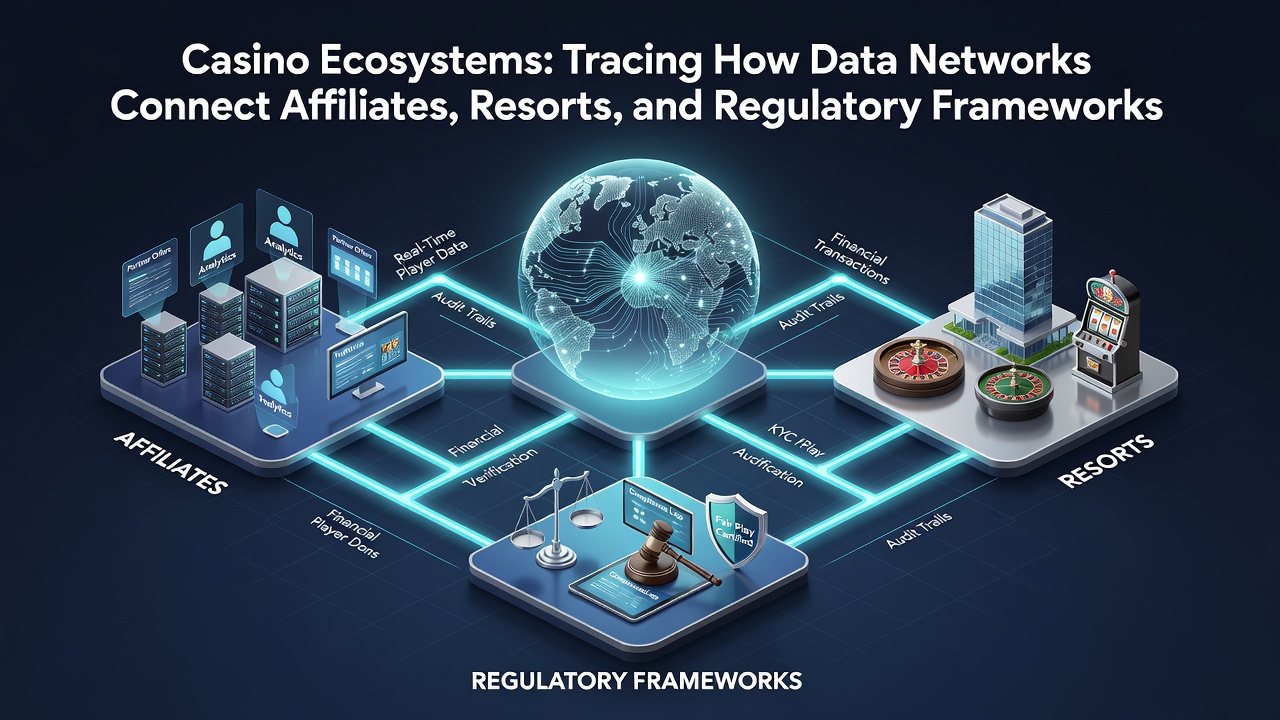
Data networks form the backbone of modern casino operations, linking affiliates who drive player traffic, resorts that manage on-site and online activity, and regulatory bodies that enforce compliance across jurisdictions, while systems track everything from player acquisition to financial transactions and behavioral patterns in real time.
Affiliate Tracking Systems and Data Exchange Protocols
Affiliates rely on sophisticated tracking platforms that assign unique identifiers to referred players, allowing operators to monitor sign-ups, deposits, and ongoing activity through encrypted APIs that feed directly into central databases at the resort level; these protocols ensure commissions calculate accurately based on revenue shares or cost-per-acquisition models, and data flows occur over secure channels that comply with encryption standards required by various oversight agencies.
Operators in multiple markets integrate affiliate management software with customer relationship management tools, creating unified profiles that update continuously as players engage with games or promotions, and this integration supports targeted marketing while generating audit trails that regulators review during compliance checks.
Resort-Level Data Infrastructure and Player Management
Resorts maintain internal networks that combine loyalty program databases, gaming floor sensors, and online platform servers to collect detailed information on wagering patterns, session durations, and spending habits; these systems connect to affiliate platforms through standardized data feeds that preserve player anonymity where required yet permit verification of traffic sources and performance metrics.
Security protocols at the property level include firewalls, access controls, and regular penetration testing, all designed to safeguard sensitive financial and personal data while enabling seamless reporting to external authorities on metrics such as gross gaming revenue and tax obligations.
Regulatory Frameworks and Cross-Border Data Governance
Regulatory agencies impose strict rules on how operators handle and share data, requiring detailed logs of all network interactions between affiliates and resorts to prevent fraud, money laundering, and unauthorized access, with frameworks differing notably by region yet sharing common elements like mandatory reporting intervals and data retention periods.
In the United States, the Nevada Gaming Control Board oversees data security standards for both land-based and interactive gaming, mandating that operators submit quarterly reports detailing network activity and affiliate partnerships, while similar structures exist in New Jersey through the Division of Gaming Enforcement. Observers note that these requirements create consistent documentation trails that support investigations and policy updates.
Canadian provincial regulators, including those in Ontario and British Columbia, enforce data localization rules that keep certain player information within national borders even when affiliates operate internationally, and Australian authorities apply comparable oversight through state-based gaming commissions that monitor cross-platform data exchanges for compliance with consumer protection statutes.
Key Markets and Evolving Network Standards in June 2026
Markets continue to refine data-sharing requirements as technology advances, with June 2026 marking the implementation of updated interoperability guidelines in several jurisdictions that standardize API formats used by affiliates and resorts; these changes aim to reduce reporting discrepancies and improve the speed of regulatory reviews without compromising individual privacy protections.
European operators licensed under frameworks such as those administered by the Malta Gaming Authority maintain separate data silos for different player segments while still transmitting aggregated statistics to national tax and gaming authorities, demonstrating how regional variations in rules influence the architecture of these networks.
Studies from research institutions indicate that operators investing in unified data platforms experience fewer compliance incidents, as centralized monitoring allows quicker identification of anomalies in affiliate traffic or resort-level transactions, and this pattern holds across both mature markets like Nevada and emerging ones adopting interactive gaming legislation.
Conclusion
The connections between affiliates, resorts, and regulatory bodies depend on secure, well-documented data networks that balance operational efficiency with legal obligations, and ongoing developments in June 2026 reflect continued efforts to standardize these systems while accommodating distinct market needs. Data exchange remains central to verifying performance, ensuring transparency, and maintaining the integrity of casino ecosystems worldwide.