14 Aug 2026
Resort Communities Leverage Affiliate Networks to Expand Gambling Disorder Treatment Access
Resort communities across the United States and beyond have started channeling resources from online gambling affiliate networks into specialized treatment programs for gambling disorders, and this shift reflects broader industry efforts to address addiction concerns in high-traffic tourism zones. Data from regional health departments indicate that places like Las Vegas and Atlantic City see elevated rates of problem gambling among both residents and visitors, prompting partnerships that direct a portion of affiliate marketing revenues toward counseling services and hotlines.
Understanding the Role of Affiliate Networks in Funding Initiatives
Affiliate networks connect gambling operators with promoters who earn commissions on referred players, yet several major programs now allocate percentages of those earnings to responsible gambling funds, and observers note that this model has gained traction since early 2020s regulatory updates in multiple jurisdictions. Researchers at the University of Nevada, Reno documented how such contributions supported mobile treatment units in Clark County during 2025, allowing counselors to reach seasonal workers and tourists without fixed clinic access. The approach ties marketing success directly to recovery infrastructure, creating a feedback loop where increased player engagement generates more resources for intervention programs.
Figures from the National Council on Problem Gambling reveal that affiliate-driven donations helped establish peer support groups in three Nevada resort towns by mid-2025, while similar patterns emerged in Queensland, Australia through partnerships with the Queensland Responsible Gambling Fund. Those who've studied these arrangements point out that the funding often covers training for local therapists in cognitive behavioral techniques tailored to high-stakes environments, and communities benefit from faster response times during peak tourist seasons when incidents spike.
Key Programs Operating in Major Resort Destinations
Las Vegas has seen affiliate contributions support the expansion of the Nevada Problem Gambling Project, which launched additional outpatient facilities in 2025 to handle rising demand from hospitality staff and visitors alike. Treatment options range from individual therapy sessions to family education workshops, and data collected through state health trackers show participation rates climbed 18 percent year-over-year after the network funding began flowing. Atlantic City followed a parallel path, integrating affiliate-backed grants into its existing helpline system so that callers receive immediate referrals to nearby counselors rather than waiting lists.
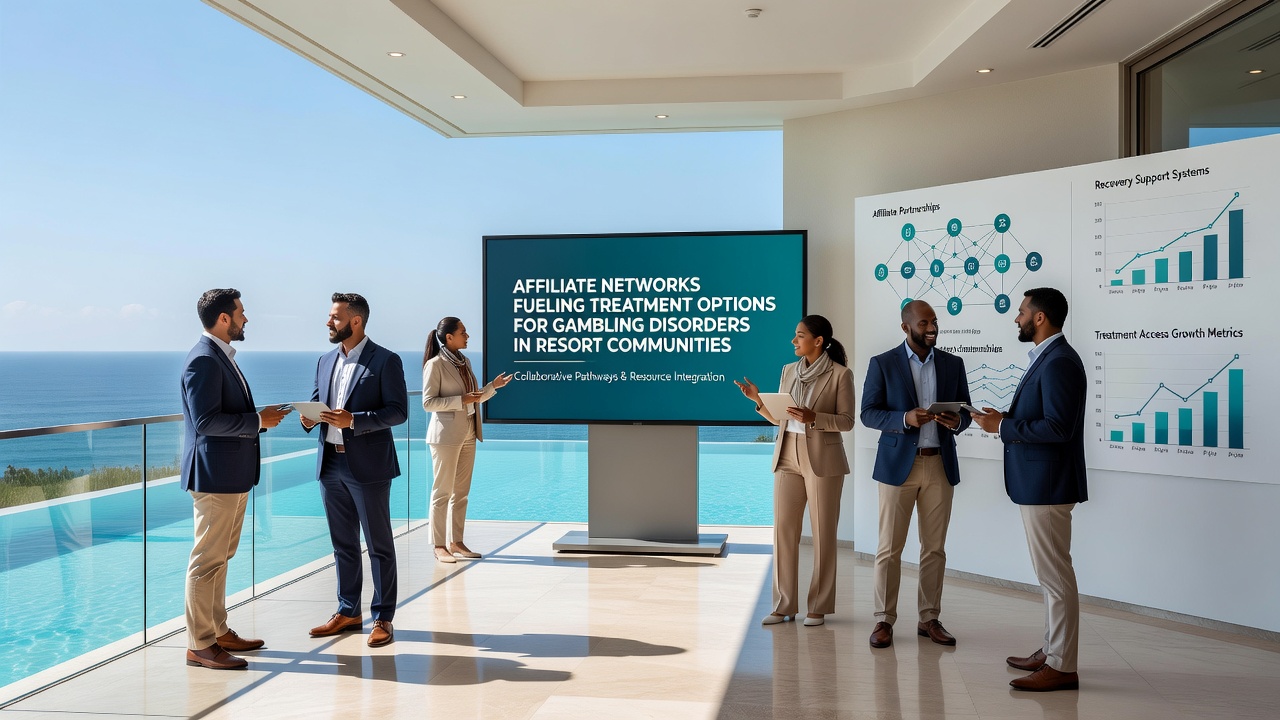
Smaller communities such as Biloxi, Mississippi and Deadwood, South Dakota have adopted scaled versions of these models, and local reports indicate that affiliate networks helped equip two new recovery centers with telehealth capabilities by August 2026. This timing aligned with summer tourism surges, allowing providers to manage increased caseloads through remote sessions when in-person capacity reached limits. Experts have observed that these setups reduce travel barriers for patients in geographically isolated resort areas, and the technology also enables follow-up care after initial assessments.
Geographic Variations and Regulatory Influences
Regulatory frameworks in different regions shape how affiliate revenues reach treatment providers, with Canadian provinces like Ontario requiring operators to contribute to the Responsible Gambling Council through affiliate channels since 2023. Australian states have implemented similar mandates via the Australian Gambling Research Centre, directing funds toward community-based programs in coastal resort towns where casino tourism peaks during holidays. Those who've examined cross-border comparisons note that U.S. states rely more on voluntary network pledges, whereas other nations embed mandatory percentages into licensing agreements, and this distinction affects the speed and scale of program rollout in each location.
Evidence from the Canadian Centre on Substance Use and Addiction shows that integrated funding models correlate with higher treatment completion rates among resort workers, who often face irregular schedules that complicate traditional appointment systems. Programs in these areas now include evening and weekend options funded partly by affiliate streams, and administrators report better retention when services adapt to the rhythms of hospitality employment rather than standard business hours.
Measuring Impact Through Available Data
Studies compiled by academic teams at the University of Sydney indicate that resort communities with active affiliate-supported initiatives recorded measurable drops in self-reported gambling severity scores among participants after six months of engagement. The research tracked outcomes across multiple sites and found that combining financial backing from networks with localized outreach produced stronger results than standalone government efforts alone. Observers note that ongoing data collection through 2026 will clarify whether these trends hold steady during fluctuating tourism volumes.
Conclusion
Affiliate networks continue to influence the availability of gambling disorder treatments in resort communities by supplying targeted funding streams that complement existing public resources, and the pattern has produced new facilities, expanded training, and improved access in several high-impact locations. Reports scheduled for release around August 2026 are expected to provide updated metrics on participation and recovery rates across these programs, offering further insight into how marketing ecosystems can intersect with public health priorities. The developments demonstrate concrete connections between industry revenue models and community-level support systems without relying on any single regulatory approach.