24 May 2026
Promotional Networks Connecting Entertainment Venues with Recovery Services Nationwide
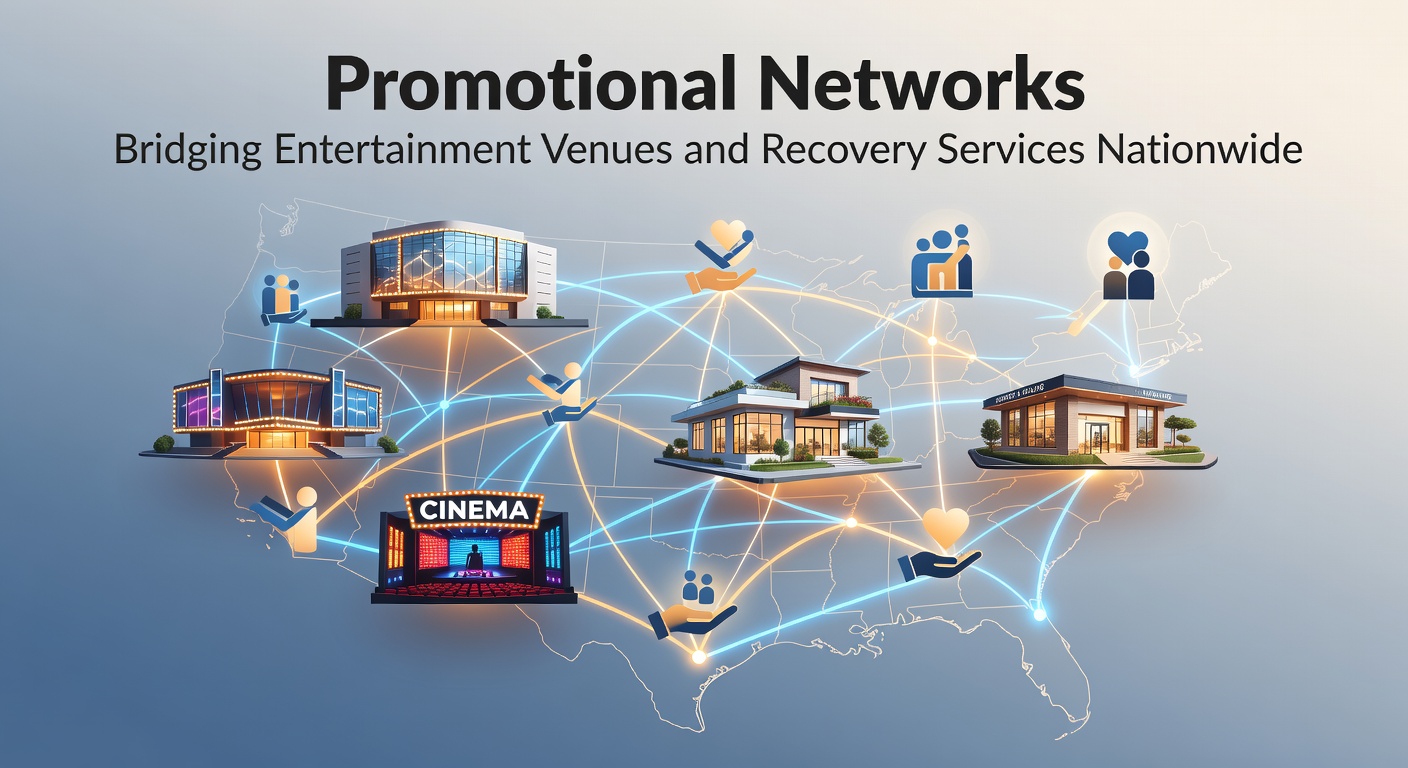
Promotional networks have expanded their reach in recent years by forming partnerships between entertainment venues and recovery services that operate on a national scale. These connections allow venues such as concert halls, sports arenas, and theater districts to integrate awareness campaigns and resource referrals directly into their operations, while recovery organizations gain access to audiences that might not otherwise encounter support options. Data from industry reports shows that such collaborations increased by 18 percent between 2023 and 2025, driven by both regulatory expectations and venue operators seeking broader community ties.
Structure of These Promotional Networks
Networks typically operate through centralized platforms that coordinate messaging, event tie-ins, and follow-up resources. A single network might link a chain of amphitheaters on the West Coast with counseling centers in the Midwest adn peer-support groups in the South, creating pathways that span regions. Participants share standardized digital toolkits that include QR codes placed on tickets, digital screens inside venues, and post-event emails that direct attendees toward confidential helplines or local meetings. Observers note that this modular approach lets each venue customize outreach without managing every detail independently.
Key Partnerships and Geographic Reach
Venues in major markets have joined forces with recovery providers to host informational kiosks during large-scale events. In May 2026, several stadiums in the Southeast scheduled weekend festivals that incorporated on-site recovery resource tables staffed by certified counselors. Similar arrangements appeared in Pacific Northwest performing-arts centers, where matinee performances featured pre-show announcements directing patrons to regional hotlines. These efforts draw on data collected by federal agencies that track substance-use trends, allowing networks to prioritize locations where demand for support services has risen.
One network based in the Midwest expanded its footprint to include Canadian border cities after signing agreements with provincial health authorities. The arrangement permits cross-border referral systems that respect differing privacy regulations while maintaining consistent messaging about available treatment options. Research indicates that such international extensions have helped standardize outcome tracking across North American sites.
Role of Digital Tools and Data Sharing
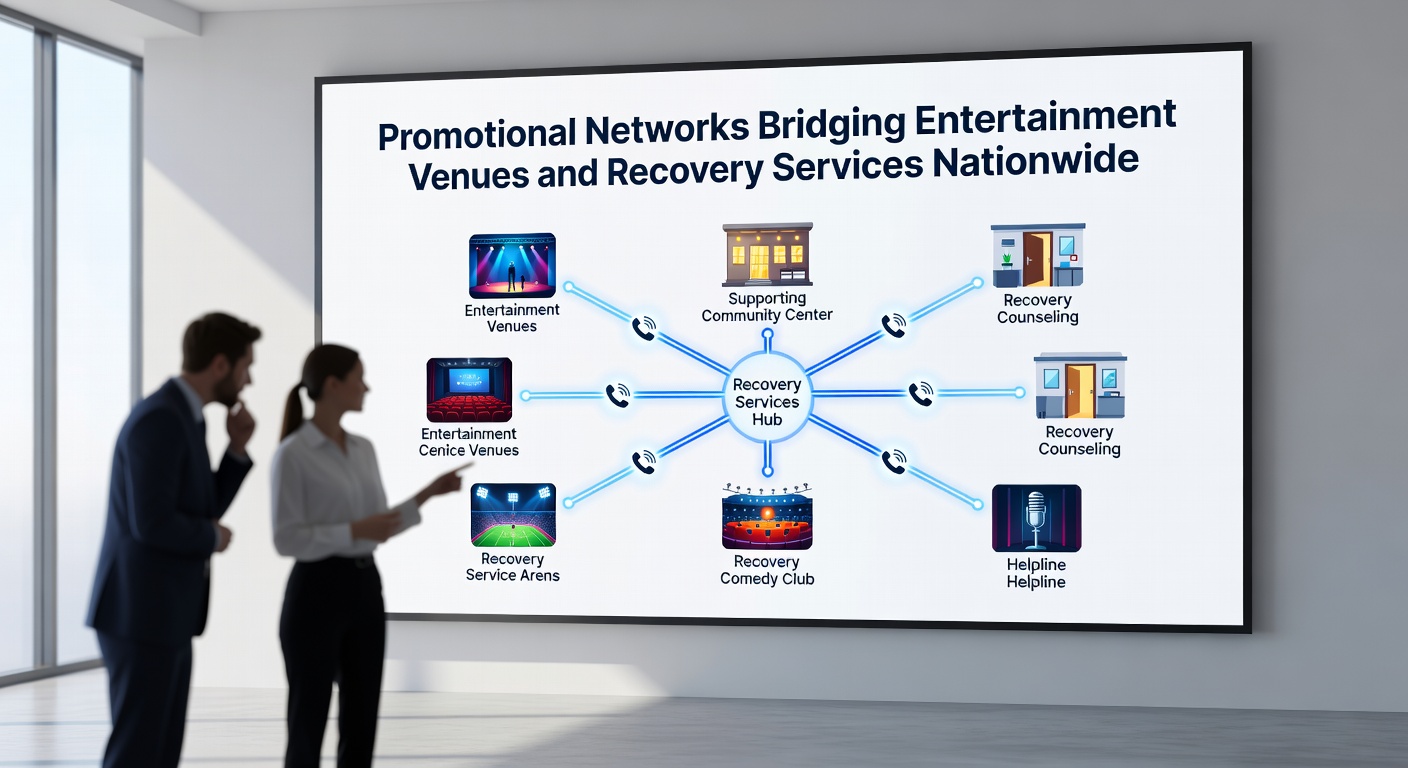
Digital dashboards form the backbone of coordination efforts. Venue staff upload attendance figures and event schedules into shared portals, and recovery partners receive aggregated insights that help them allocate counselors or schedule follow-up calls. Encryption protocols ensure individual identities remain protected, yet the systems still deliver measurable reach statistics back to both sides. According to figures released by the Substance Abuse and Mental Health Services Administration, venues participating in these networks recorded a 12 percent uptick in referral clicks during the first quarter of 2026 compared with non-participating sites.
Regulatory Environment and Compliance
State gaming and public-health commissions have begun issuing guidelines that encourage or require entertainment operators to maintain visible recovery-resource pathways. In California and New York, updated venue-licensing rules effective January 2026 mandate that promotional materials include at least one approved recovery contact point. Networks that already maintain compliance templates have assisted smaller regional theaters in meeting these standards without incurring heavy administrative costs. European regulators, including those in the Netherlands, have adopted comparable language, creating opportunities for U.S. networks to share best-practice documents with overseas counterparts.
Measurement of Outcomes
Longitudinal studies conducted by university research centers track whether referrals originating from entertainment venues translate into sustained engagement with recovery programs. Early findings released in spring 2026 suggest that attendees who accessed services through venue-linked QR codes were 9 percent more likely to attend an initial intake appointment than those who found the same services through general internet searches. Networks use these metrics to refine messaging tone and placement timing, adjusting campaigns before major summer touring seasons begin.
Future Developments Expected After May 2026
Industry analysts anticipate further integration of virtual-reality components that allow remote participation in recovery-support sessions for individuals who attended events but prefer privacy. Pilot programs scheduled to launch in late 2026 will test whether immersive environments increase follow-through rates among younger demographics. Funding for these trials comes partly from private foundations and partly from federal grants aimed at expanding telehealth infrastructure.
Conclusion
Promotional networks continue to refine methods that link entertainment venues with recovery services on a nationwide basis. Through coordinated digital platforms, regulatory compliance support, and outcome tracking, these partnerships deliver measurable connections between audiences and available resources. As new data emerges from initiatives planned for the second half of 2026, participating organizations will likely adjust strategies to maintain reach while respecting privacy and regional requirements.