11 Aug 2026
Play Ecosystems Across Major US Resort Destinations: Segments, Networks, and Support Measures
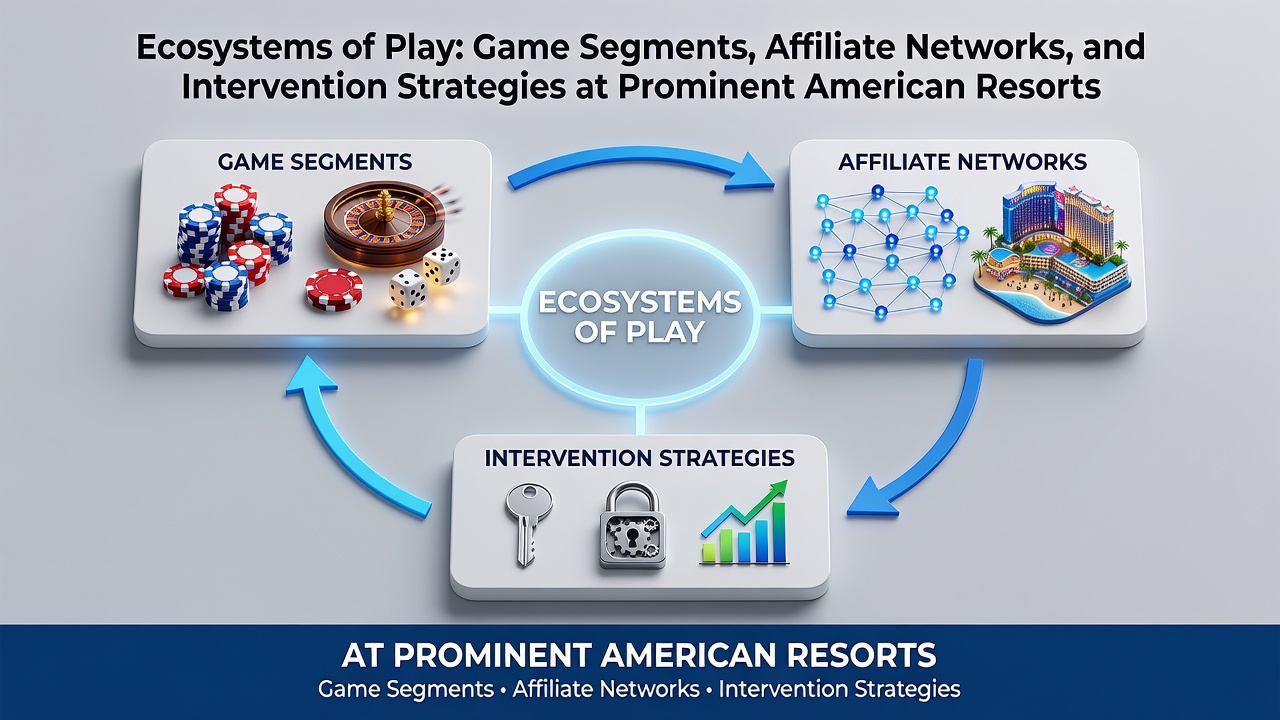 Prominent American resorts integrate multiple game segments into single properties that attract visitors from across the country, and these segments range from slot machines and table games to sports betting areas and poker rooms. Data from the American Gaming Association shows slot machines account for the largest share of revenue at many Nevada and New Jersey properties, while table games such as blackjack and roulette draw steady crowds during peak evening hours. Sports betting has expanded since the 2018 Supreme Court decision, and several resorts now feature dedicated betting lounges equipped with large screens and mobile integration points. Affiliate networks play a central role in directing traffic toward these resorts through online promotions and partnership agreements. Operators work with networks that connect content creators, review sites, and marketing platforms to property websites and booking systems. These networks track referrals using unique codes and performance metrics, which allows resorts to measure how different channels contribute to guest arrivals and on-site spending. In August 2026, several major properties reported increased affiliate-driven bookings during summer travel periods, particularly for packages that combine hotel stays with gaming credits.
Game Segments and Their Role in Resort Operations
Resorts organize game segments into distinct zones that accommodate different player preferences and spending levels. High-limit rooms cater to guests seeking table games with elevated minimum bets, whereas main casino floors feature a broader mix of slots and lower-stakes options. Electronic table games have grown in popularity because they require fewer staff members yet maintain the pace of traditional play. Observers note that sportsbooks often sit adjacent to food and beverage outlets, which encourages longer visits and additional spending on dining and drinks.
Regional variations appear across the country. Las Vegas properties emphasize large-scale entertainment alongside gaming, while Atlantic City resorts focus more on table games and slots to serve East Coast visitors. Data indicates that poker rooms remain profitable at select locations even as online alternatives expand, largely because live tournaments draw competitors who also participate in other segments during their stays.
Affiliate Networks and Traffic Patterns
Affiliate networks operate through structured commission models that reward partners based on generated deposits or player activity. These networks often segment their offerings by audience type, with some focusing on high-roller traffic and others targeting casual players interested in promotions and bonuses. Resorts supply affiliates with updated banners, landing pages, and real-time performance dashboards that reflect current occupancy and event schedules.
Partnerships frequently extend beyond simple referral links. Some networks collaborate on co-branded campaigns that highlight seasonal events or new game installations. Figures from industry reports reveal that affiliate-sourced guests tend to book longer stays when promotions include both gaming and non-gaming amenities. This integration supports consistent revenue streams for properties that maintain active relationships with multiple networks simultaneously.
Intervention Strategies Implemented at Resorts
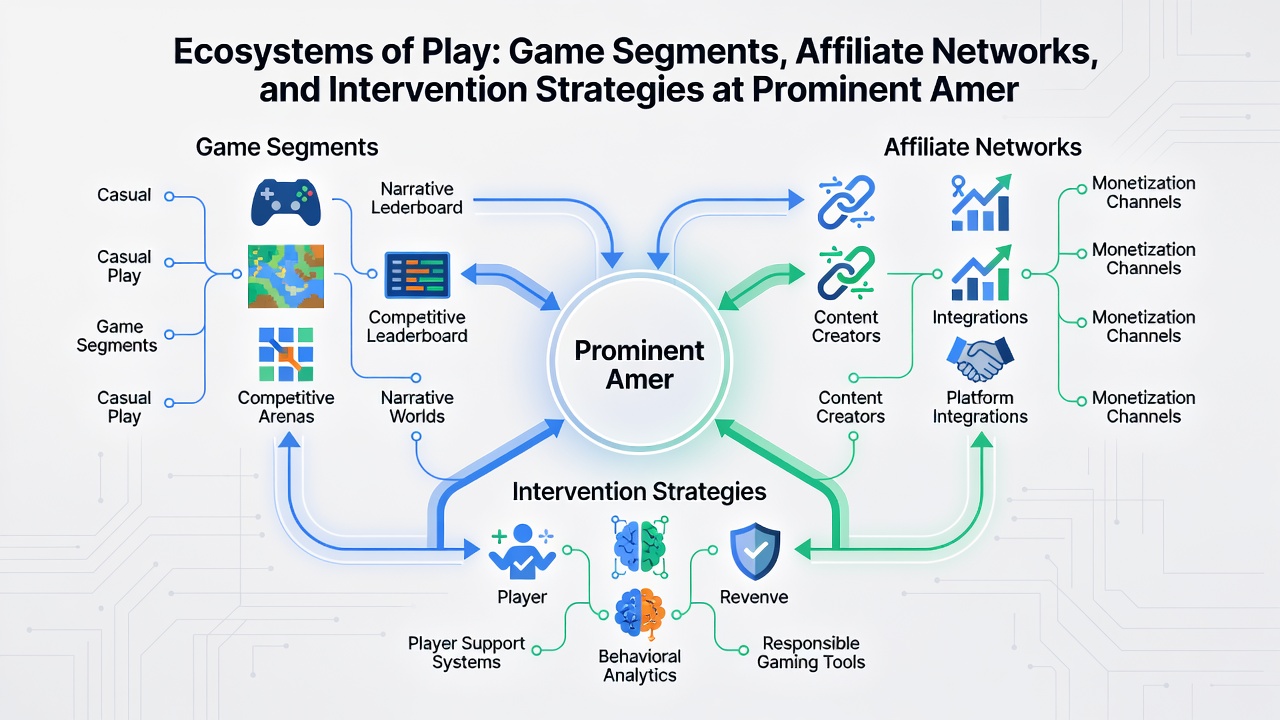
Resorts deploy intervention strategies that include voluntary self-exclusion programs, on-site counseling referrals, and digital tools that allow players to set deposit and time limits. Staff members receive training to recognize signs of distress and to direct guests toward available resources without disrupting operations. Many properties partner with external organizations that provide helplines and treatment referrals accessible around the clock.
Technology supports these efforts through player tracking systems that flag unusual patterns and trigger automated messages about available support options. According to information from the Nevada Gaming Control Board, properties must maintain clear signage and staff protocols that inform guests of self-exclusion procedures. Additional measures include partnerships with local health services that offer immediate assessments for individuals who request assistance on the gaming floor.
Integration of Segments, Networks, and Interventions
Successful resorts coordinate game segments, affiliate networks, and intervention strategies into a single operational framework. Affiliates receive guidance on promoting responsible play alongside gaming options, which helps maintain compliance with state regulations. Properties update training materials regularly to reflect changes in game offerings and network performance data. This coordination allows resorts to adjust marketing focus while preserving support systems for guests who choose to limit or pause their activity.
Conclusion
American resorts continue to refine the connections among game segments, affiliate networks, and intervention strategies as visitor patterns evolve. The combination of diverse gaming options, targeted marketing channels, and structured support measures creates an environment where operators can track performance across multiple areas while meeting regulatory expectations. Ongoing data collection from both internal systems and external partners informs adjustments that keep these ecosystems functioning in balance.