5 Jun 2026
Observed Patterns in Regulatory Adjustments During Gambling Venue Expansions
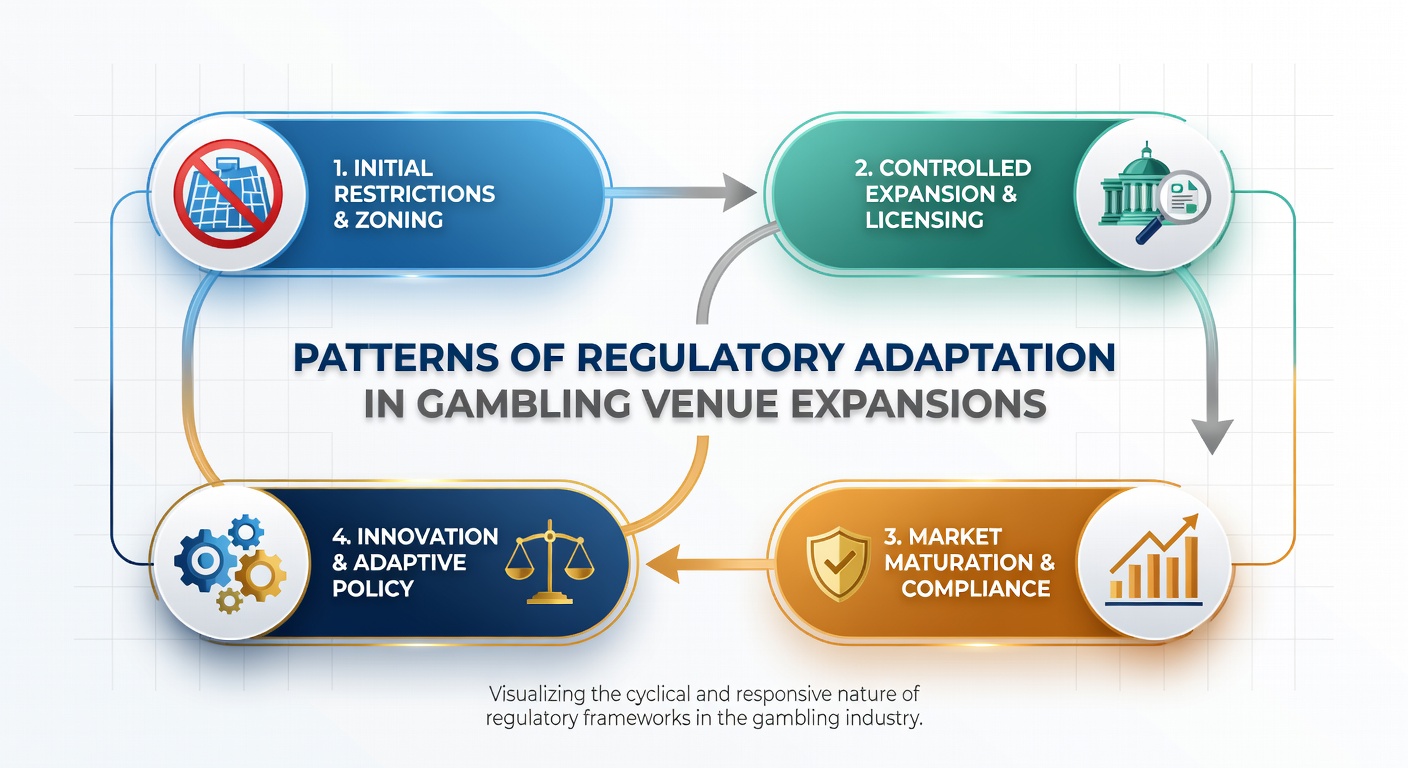
Regulatory bodies across multiple jurisdictions have demonstrated consistent approaches when addressing the growth of gambling facilities, and these approaches often involve phased licensing reviews combined with updated compliance standards that respond directly to increased operational scales. Data from regional authorities shows that expansions trigger revisions in taxation structures, while simultaneous enhancements appear in responsible gambling protocols and venue monitoring requirements.
Historical Context and Early Adaptation Trends
Government agencies in North America began formalizing responses to venue growth during the late twentieth century, and those responses typically centered on expanding oversight mechanisms without halting development projects. Observers note that early expansions in states like Nevada prompted the creation of dedicated control boards tasked with ongoing audits, and similar frameworks later emerged in other regions as operators sought larger footprints. Research indicates these initial patterns established templates that later jurisdictions adapted when confronting their own increases in facility numbers.
By the early 2000s, Australian state regulators had incorporated environmental impact assessments into licensing procedures for new or enlarged venues, and this integration reflected concerns over community effects alongside revenue projections. Figures from government reports reveal that such assessments frequently led to conditional approvals requiring operators to fund local infrastructure improvements before construction could advance.
Contemporary Regulatory Mechanisms in Expanding Markets
Current patterns show regulators relying on tiered licensing systems that scale requirements according to venue size and projected revenue, and this method allows authorities to maintain control while accommodating operator ambitions. In Canadian provinces, for instance, provincial gaming corporations have adjusted fee schedules and reporting intervals in direct proportion to square footage additions or table game increases. Those who've studied these systems note that the adjustments often coincide with mandatory third-party audits to verify adherence to new standards.
European markets present another layer where cross-border operators encounter harmonized rules on player protection measures whenever they enlarge physical locations, and evidence suggests these rules emphasize real-time data sharing between venues and oversight agencies. What's interesting is how regulators in several countries have begun embedding sunset clauses into expansion permits, which means approvals automatically trigger review periods after fixed intervals unless operators demonstrate sustained compliance.
Case Examples from Different Regions
Take developments in Massachusetts where the gaming commission introduced revenue allocation formulas tied explicitly to venue expansion milestones, and these formulas direct portions of increased earnings toward public health initiatives. One study revealed that such targeted allocations became standard following initial casino openings and subsequent enlargements. In contrast, regulators in Singapore have focused on entry controls and credit restrictions that intensify with each phase of integrated resort growth, demonstrating a pattern centered on access limitation rather than financial redistribution.
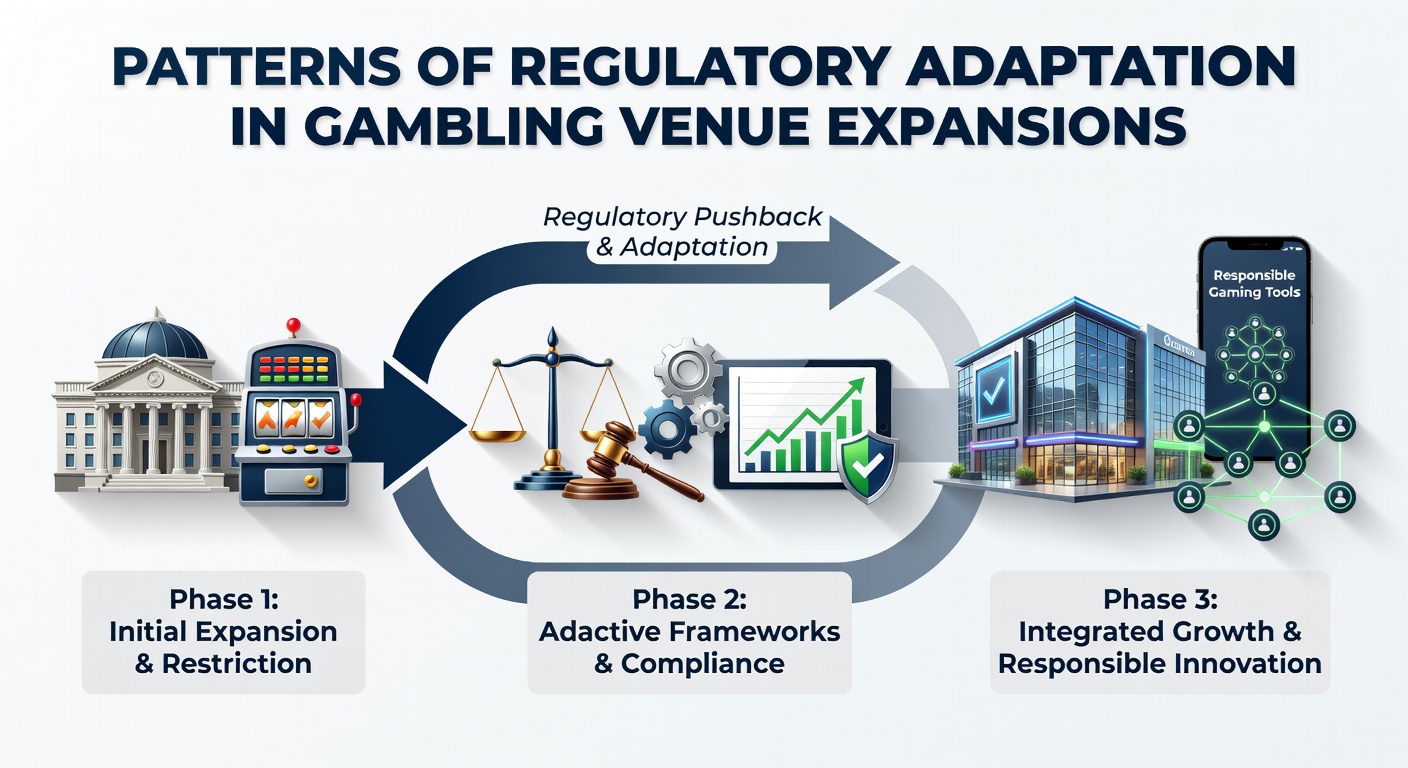
Additional patterns surface in emerging markets where governments link expansion approvals to technology upgrades such as centralized monitoring platforms, and these platforms enable continuous surveillance of gaming activity across enlarged facilities. Data shows that jurisdictions adopting this linkage report higher detection rates for irregularities compared with earlier unregulated growth phases.
Projected Developments Around June 2026
Several regulatory calendars list policy updates scheduled for June 2026 that directly address ongoing venue expansions, and these updates include revised responsible gambling contribution rates scaled to annual revenue growth. According to planning documents from various gaming authorities, the changes will also require operators to submit expansion impact statements covering employment patterns and local traffic effects before permits receive final extensions.
Industry associations have compiled summaries indicating that these 2026 measures build on precedents established in prior expansion cycles, while adding new emphasis on environmental sustainability metrics for larger properties. Those monitoring the sector observe that the upcoming adjustments follow a recognizable sequence of consultation periods followed by phased implementation, which mirrors approaches used successfully in earlier regulatory cycles.
Conclusion
Patterns of regulatory adaptation continue to evolve in response to gambling venue expansions, and they consistently balance economic objectives with protective safeguards through structured licensing, financial mechanisms, and technological requirements. Authorities in diverse regions demonstrate these adaptations via documented policy revisions that scale alongside operational growth, and ongoing schedules point to further refinements effective in mid-2026. Massachusetts Gaming Commission reports and analyses from the Australian Productivity Commission provide additional detail on these recurring frameworks.