12 Jul 2026
Mapping Game Classifications to Therapeutic Interventions Across Global Gambling Markets
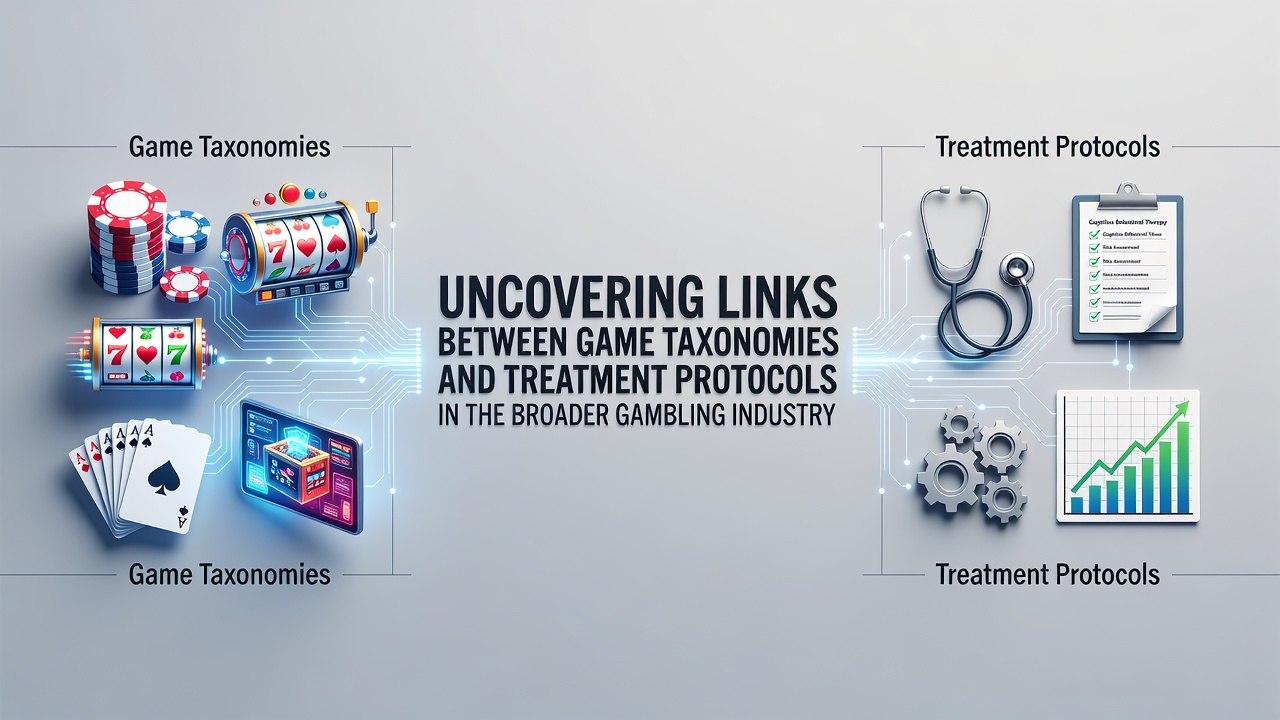
Game taxonomies in the gambling industry organize titles into groups such as random number generator slots, table games requiring skill elements, sports betting markets, and live dealer formats, while treatment protocols draw from cognitive behavioral approaches, motivational enhancement techniques, and self-exclusion mechanisms. Researchers have traced connections between these classifications and intervention outcomes because certain game structures correlate with distinct patterns of player engagement and risk escalation.
Taxonomy Foundations in Industry Data Systems
Operators maintain detailed categorization frameworks that track session duration, bet frequency, and volatility levels across game libraries. Data from regulatory filings in multiple jurisdictions shows slots often feature rapid spin cycles and high event frequency, whereas poker variants emphasize decision points over longer intervals. These distinctions feed into risk assessment models used by treatment providers who adapt protocols based on the primary game types reported by individuals seeking support.
Studies from academic centers indicate that classification systems help identify which games align with specific behavioral markers, such as chasing losses in high-volatility titles or extended play in skill-based formats. Treatment centers in North America and Australia incorporate these taxonomies when designing intake assessments, allowing clinicians to match patients with interventions that address the mechanical features of their preferred activities.
Evidence Linking Categories to Protocol Adjustments
Research indicates that players engaged primarily with continuous gambling products respond differently to time-limited cognitive restructuring sessions compared to those focused on intermittent betting events. Figures from the Canadian Centre on Substance Use and Addiction reveal variations in relapse rates when protocols incorporate game-specific elements like exposure therapy tailored to slot reel mechanics versus strategy discussions for card games.
One study revealed that integrating taxonomy data into treatment planning improved retention in programs by aligning session content with the structural characteristics of reported games. Observers note this approach appears in clinical guidelines across several regions because it allows for targeted education on probability misconceptions that differ by game class.
Industry Applications and Regulatory Context
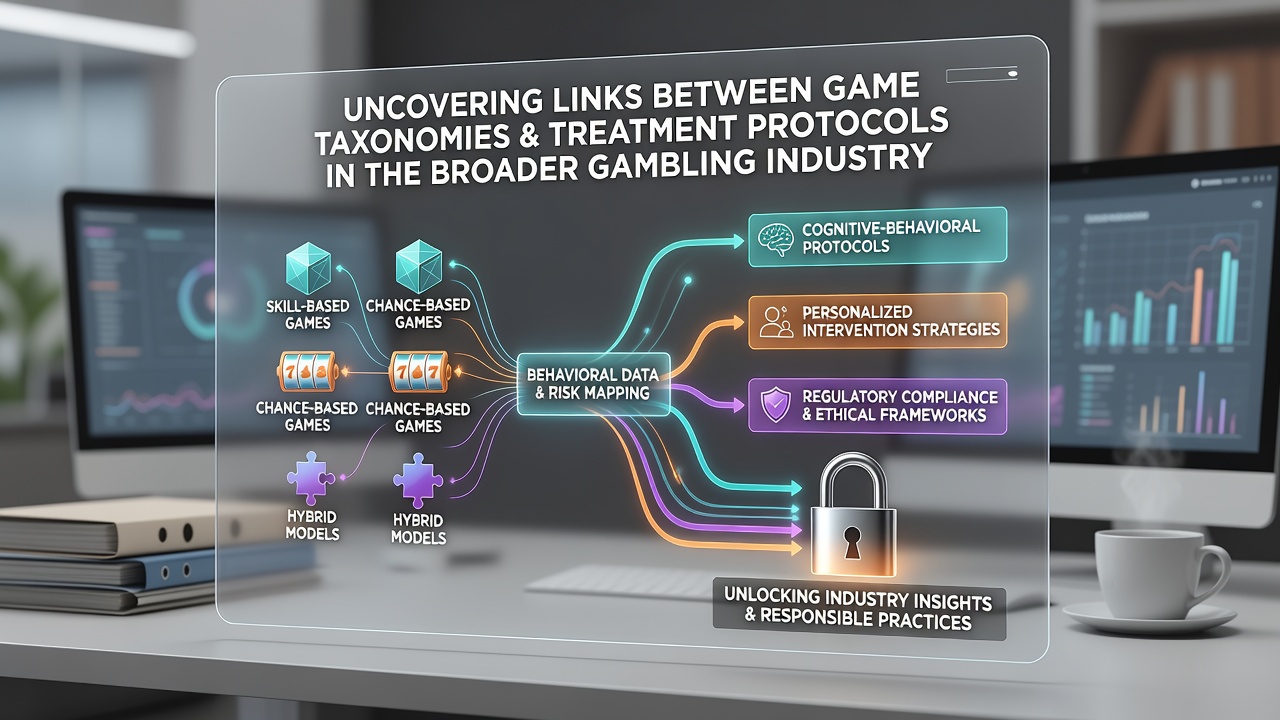
Gambling operators apply these taxonomic insights when developing responsible gaming tools, such as personalized limit-setting interfaces that reference game categories. In July 2026 several European markets introduced updated reporting requirements that mandate operators to log player activity by taxonomy group, providing fresh datasets for researchers examining protocol effectiveness.
Those who've studied this know that self-exclusion programs now often include category-based options, letting individuals restrict access to slots while permitting sports wagers or vice versa. This granularity stems from evidence that blanket exclusions sometimes fail to address the specific reinforcement schedules embedded in different game types.
Regional Variations in Practice
Australian treatment services have documented success using taxonomy-informed workshops that break down near-miss features common in certain electronic gaming machines. Meanwhile, programs in the United States reference data from the National Institutes of Health when adjusting motivational interviewing scripts to account for the social dynamics present in live table games versus solitary slot play.
What's interesting is how these adaptations reflect broader industry shifts toward data-driven harm reduction. Regulatory bodies in Canada and parts of Asia now encourage operators to share anonymized taxonomy-linked datasets with approved research institutions, accelerating the refinement of intervention models.
Future Directions for Integrated Approaches
Emerging digital platforms allow real-time taxonomy tagging within player accounts, which treatment providers can access with consent to customize aftercare plans. This development builds on earlier findings that mismatched protocols, such as applying generic advice to high-frequency game users, yield lower engagement metrics.
Collaboration between classification experts and clinical teams continues to produce hybrid frameworks that weigh game volatility alongside psychological profiles. Evidence suggests these combined methods support more precise resource allocation in support services operating across diverse regulatory environments.
Conclusion
Connections between game taxonomies and treatment protocols rest on observable patterns in player behavior and intervention outcomes across multiple jurisdictions. Ongoing data collection efforts, including those scheduled for mid-2026, will likely refine these linkages further as operators and clinicians refine their shared analytical tools.