Live Dealers Hit the Stream: Nevada's Virtual Casino Surge
14 Apr 2026
Live Dealers Hit the Stream: Nevada's Virtual Casino Surge

The Shift from Floor to Feed
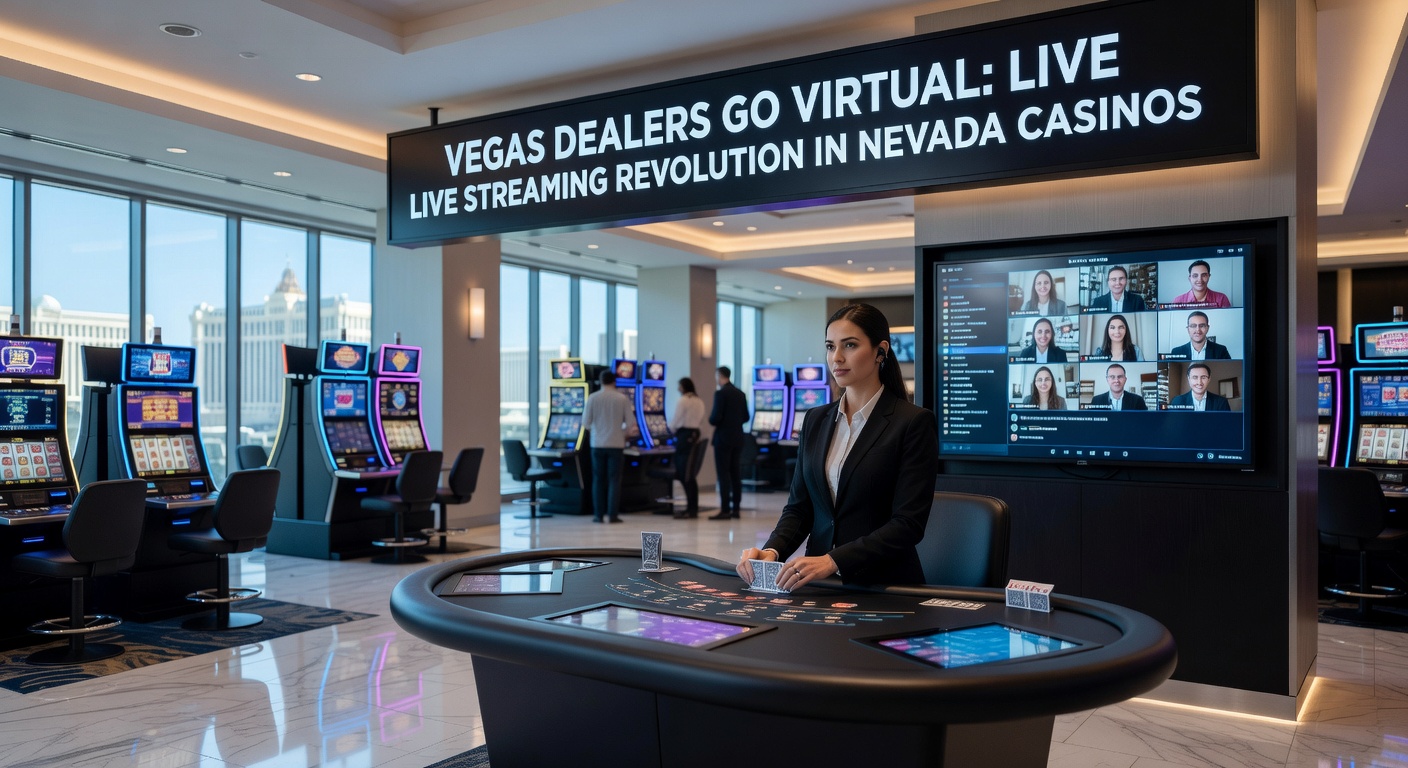
Nevada casinos have long defined the glamour of gambling, yet recent years reveal a pivot toward digital realms where live dealers beam games directly to screens worldwide; this live streaming revolution, fueled by high-definition cameras and low-latency tech, bridges physical tables with remote players, allowing bets on blackjack, roulette, and baccarat from anywhere with an internet connection. Operators in Las Vegas and Reno rolled out these virtual setups as early as 2020, but adoption exploded post-pandemic when foot traffic dipped, and players craved that human touch minus the travel hassle.
What's interesting is how quickly studios sprouted up; take MGM Resorts, which partnered with tech firms to launch Evolution Gaming's live tables, streaming from dedicated Nevada facilities compliant with state regs. Data from the Nevada Gaming Control Board shows licensed interactive gaming platforms grew by 45% between 2022 and 2025, with live dealer streams accounting for a chunk of that surge since they mimic the Strip's energy without the crowds.
And while traditionalists might miss the clink of chips, observers note remote players engage longer sessions, often wagering more steadily because the dealer's banter keeps things lively; one study from the University of Nevada, Las Vegas International Gaming Institute found average playtime on live streams hits 28 minutes per session, compared to 18 on RNG-based games.
Tech That Powers the Virtual Pit
Behind the seamless streams lie optical character recognition software scanning bets in real time, multiple camera angles capturing every card flip or wheel spin, and AI-assisted chat moderating player-dealer talk; these elements, combined with 5G backbones, slash lag to under 100 milliseconds, making it feel like sitting at the table even from across the globe. Nevada's edge? Strict licensing ensures all streams originate from regulated studios, often tucked into existing casino footprints like those at Caesars Palace or the Wynn.
Turns out, the hardware isn't cheap; a single live table setup runs $500,000 upfront, per industry reports from the American Gaming Association, yet payback comes fast through 24/7 operation without union wage overtime or floor space limits. Providers like Playtech and Pragmatic Play customize for Nevada, integrating geofencing to block out-of-state access unless players hop on offshore mirrors, a nod to federal wire act nuances.
But here's the thing: hybrid models blend virtual with physical; some casinos overlay AR elements where remote viewers see digital chips land beside real ones, blurring lines further while boosting immersion for those glued to mobile apps during commutes or late nights.
Regulatory Green Lights and Guardrails
The Nevada Gaming Control Board mandates rigorous oversight for these streams, requiring all dealers to hold interactive gaming licenses, studios to feature redundant power and cybersecurity protocols, and every transaction to log indelibly for audits; this framework, refined through 2024 amendments, positions Nevada ahead of peers, with zero major breaches reported in licensed ops since inception. Figures reveal over 200 live tables now active across the state, up from a dozen in 2021, as commissions approve expansions for operators like Station Casinos venturing into tribal partnerships.
Yet challenges persist; underage access attempts spike 12% on streams versus in-person, according to board data, prompting facial recognition rollouts at login, while problem gambling hotlines integrate directly into chat interfaces for quick interventions. Observers point to Canada's Ontario iGaming model as influential, where similar live dealer regs cut complaints by 30% after mandatory break reminders.
So, as April 2026 approaches, whispers of board proposals for VR-enhanced streams circulate, potentially allowing headset users to "step into" virtual pits; early pilots at Reno venues test this, drawing tech-savvy crowds and hinting at the next wave.
Casinos Leading the Charge
Resorts World Las Vegas stands out, launching a 50-table studio in 2023 that pipes exclusive games like branded baccarat to apps; players from 40 states tune in via geo-compliant platforms, generating $150 million in gross gaming revenue last fiscal year alone, per operator filings. Nearby, Golden Nugget Online weaves live feeds with its physical floors, where downtown dealers handle both crowds and cameras seamlessly.
Take one case: a small Reno operator, El Dorado Resort, pivoted fully virtual during renovations, streaming craps with local flair; within months, handle jumped 60%, as remote Californians (blocked from state apps) flocked to its feeds. Experts who've tracked this note smaller venues thrive here, since low overhead lets them offer higher RTPs, like 99.5% blackjack variants that draw grinders.
And it's not just slots' cousins; poker rooms go live too, with multi-table tournaments pitting Vegas pros against home players, fostering rivalries that spill into social feeds. What's significant is player retention; data indicates 72% return monthly to favored dealers, building loyalty akin to bar regulars.
Player Perks and Pitfalls
Virtual tables shine for convenience, with side bets, multi-game lobbies, and stats overlays empowering informed plays; average wager sizes hold steady at $25, but session volumes soar, padding casino ledgers without extra real estate. Research from the Gaming Standards Association highlights how chat features cut isolation, mimicking social casino vibes while real money flows.
That said, connectivity hiccups irk; rural players gripe about buffering during peak hours, though 5G expansions mitigate this, and latency monitors now auto-pause hands if delays exceed thresholds. One study revealed 15% of streamers prefer night shifts for quieter, more personal dealer interactions, turning sessions into extended hangs.
Now, security layers impress: blockchain-ledgered bets ensure tamper-proof records, biometric logins thwart account shares, and AI flags suspicious patterns like rapid bet switches, slashing fraud by 40% industry-wide. People who've switched from apps to lives often stick, citing the "trust factor" of seeing cards shuffled live.
Looking Ahead to 2026 adn Beyond
By April 2026, Nevada eyes full integration of metaverse lobbies where avatars join live dealer rooms, per leaked board agendas; trials at Cosmopolitan test haptic feedback vests syncing vibrations to wheel spins, pulling in younger demographics weaned on esports. Revenue projections hit $2 billion for interactive segments, dwarfing 2019 baselines as borders fade for compliant players.
Industry watchers anticipate cross-state compacts, echoing sports betting pacts, to standardize streams; meanwhile, dealer training academies boom, churning out multilingual pros for global audiences. It's noteworthy that sustainability creeps in too, with solar-powered studios cutting carbon footprints versus neon-lit floors.
Yet the rubber meets the road on equity; initiatives train underrepresented groups as virtual dealers, diversifying a field long male-dominated, while accessibility tools like voice commands open doors for disabled players.
Wrapping Up the Virtual Revolution
This live streaming wave redefines Nevada's casino landscape, merging tech prowess with gaming heritage to serve players near and far; as studios multiply and innovations like VR loom by April 2026, the state's operators solidify their digital dominance, all under watchful regulatory eyes ensuring fair play endures. Data underscores the momentum, with streams now comprising 35% of total iGaming handle, a figure set to climb as adoption deepens and tech evolves.