9 Jun 2026
Intersecting Pathways: Affiliate Marketing and Recovery Initiatives in Leading Gaming Destinations
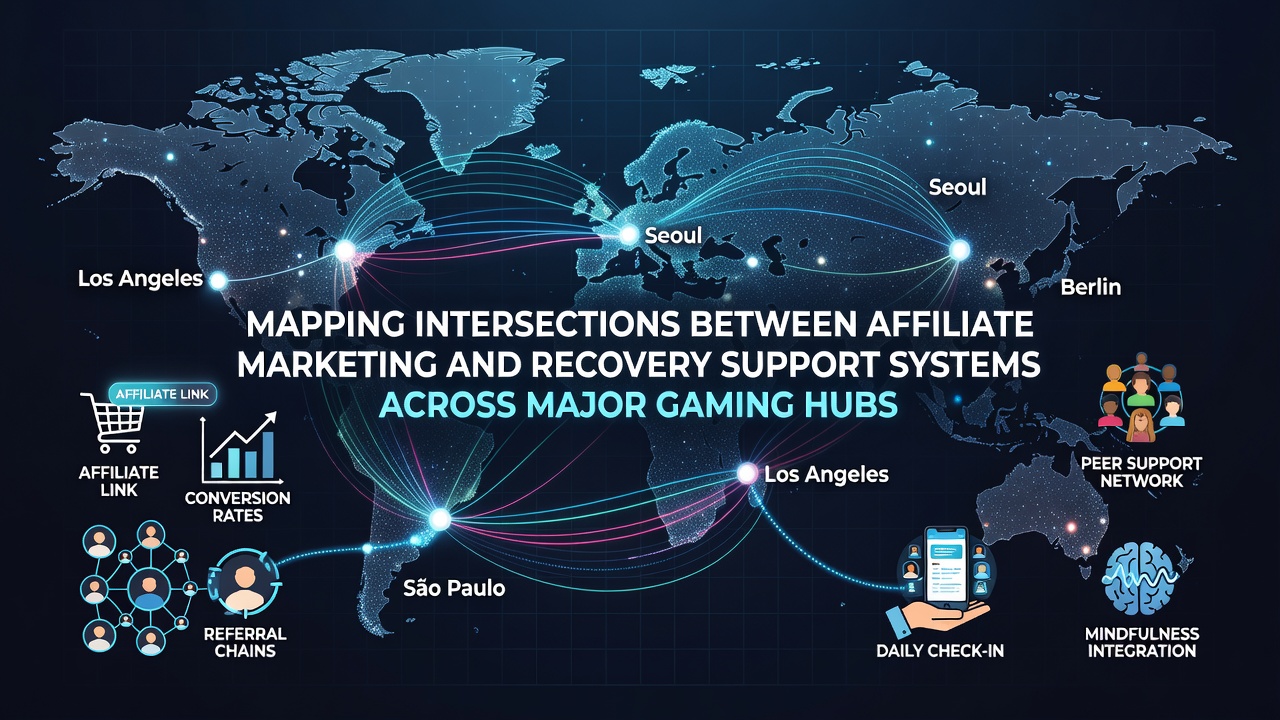
Observers note that affiliate marketing programs have expanded alongside recovery support frameworks in major gaming destinations, creating measurable overlaps in how information reaches players. Data from industry reports shows these intersections appear most clearly in places like Las Vegas, Macau, and Singapore, where promotional networks promote casino operators while some campaigns now embed links to helplines and self-exclusion tools.
Structure of Affiliate Networks in Gaming Hubs
Researchers have documented that affiliate operations typically operate through commission-based models tied to player acquisition and retention, and those who track these systems find partnerships often extend beyond simple traffic referrals. In Las Vegas, for instance, marketing groups coordinate with operators to highlight entertainment options, yet certain programs include disclaimers directing users toward counseling services managed by state agencies. Figures reveal that revenue sharing arrangements can generate millions annually, and this scale has prompted regulatory bodies to examine how promotional content intersects with player welfare resources.
Recovery Support Systems Operating in Parallel
Support organizations maintain databases of treatment centers and hotlines across gaming regions, and evidence indicates many of these groups receive referrals through digital channels that overlap with marketing ecosystems. The National Council on Problem Gambling maintains directories that list resources by location, while similar frameworks in Asia draw from government-funded programs in Macau and Australia. Those who study these systems observe that integration happens when affiliates add responsible gaming banners or partner with nonprofits to distribute educational materials during peak tourism seasons.
Geographic Patterns Emerging in 2026
Analysts tracking developments note shifts underway by June 2026, particularly as new compliance rules take effect in several jurisdictions. Gaming authorities in Nevada have expanded data collection on affiliate disclosures, and parallel efforts in the European Union focus on cross-border marketing transparency. Studies from academic institutions show higher engagement with recovery tools when promotional sites include direct links to regional helplines, and this pattern appears consistent in both North American and Asian markets.
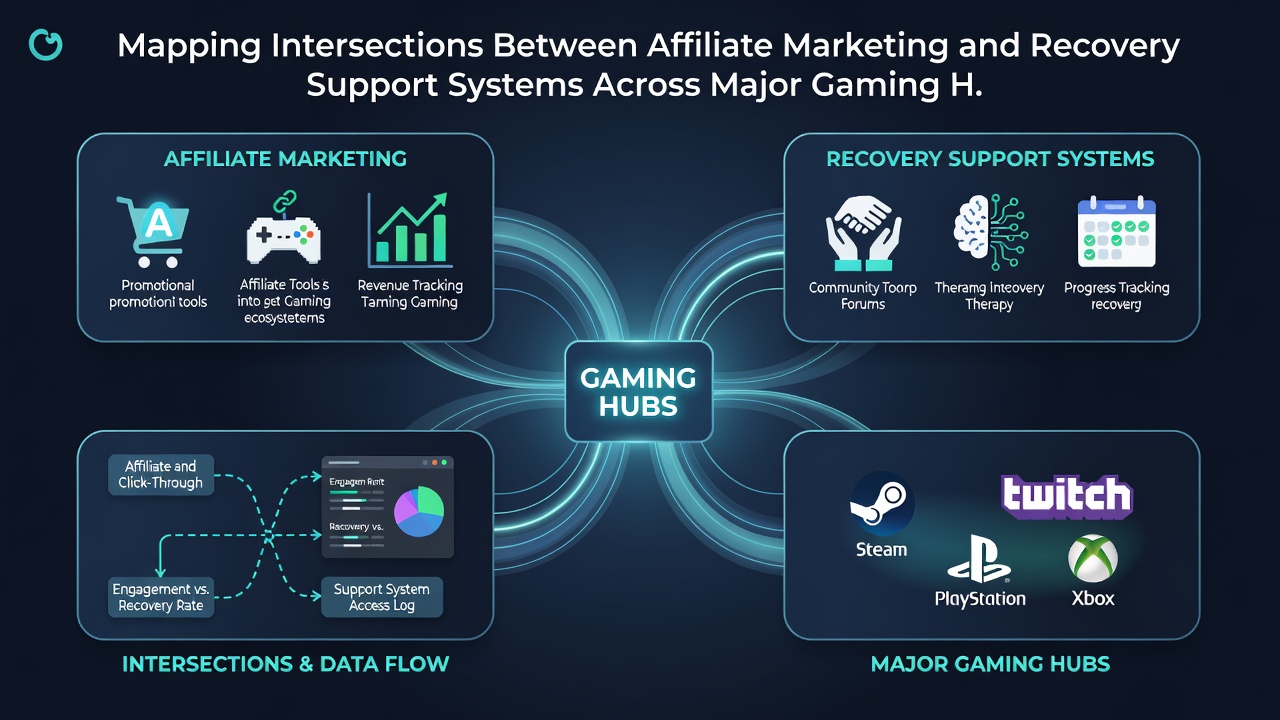
What's notable is how data sharing between these sectors has increased, with some platforms now reporting anonymized metrics on self-exclusion requests back to marketing partners. This allows operators to adjust campaigns while maintaining separation between promotional activity and clinical support functions.
Case Examples from Specific Regions
Take one operator network in Macau that integrated affiliate tracking with local counseling referrals in 2025, and observers report measurable upticks in resource page visits during major events. Similar approaches surface in Atlantic City, where state-backed programs collaborate with digital promoters to ensure helpline numbers appear alongside bonus offers. Researchers at institutions studying these models find that when affiliates use geo-targeted content, recovery messaging reaches users at higher rates than generic campaigns alone would achieve.
Data and Measurement Approaches
Reports compiled by trade associations indicate that affiliate traffic accounts for substantial portions of new accounts in major hubs, yet the same datasets now track interactions with support pages. The American Gaming Association publishes annual summaries that include sections on responsible gaming partnerships, and these documents highlight how marketing compliance teams coordinate with external nonprofits. Evidence suggests that jurisdictions requiring explicit disclosures see lower rates of disputed claims related to promotional content, and this trend holds across multiple regulatory environments.
Future Mapping Considerations
Those monitoring the landscape point to emerging technologies that could refine these intersections further, including automated tools that flag promotional materials lacking recovery resource references. Regulatory updates scheduled around mid-2026 are expected to standardize certain reporting formats, which would allow clearer tracking of how marketing spend correlates with support utilization statistics. Academic papers examining these dynamics emphasize the need for continued data collection without compromising player privacy standards.
Conclusion
Mapping exercises reveal that affiliate marketing and recovery support systems share digital pathways in major gaming locations, with measurable connections through referrals, disclosures, and compliance mechanisms. Government agencies and research groups continue to document these patterns, providing updated figures that inform both sectors. The intersections remain dynamic as new rules and technologies emerge across different regions.