22 May 2026
How Interior Layouts Steer Player Traffic in Leading Casino Cities
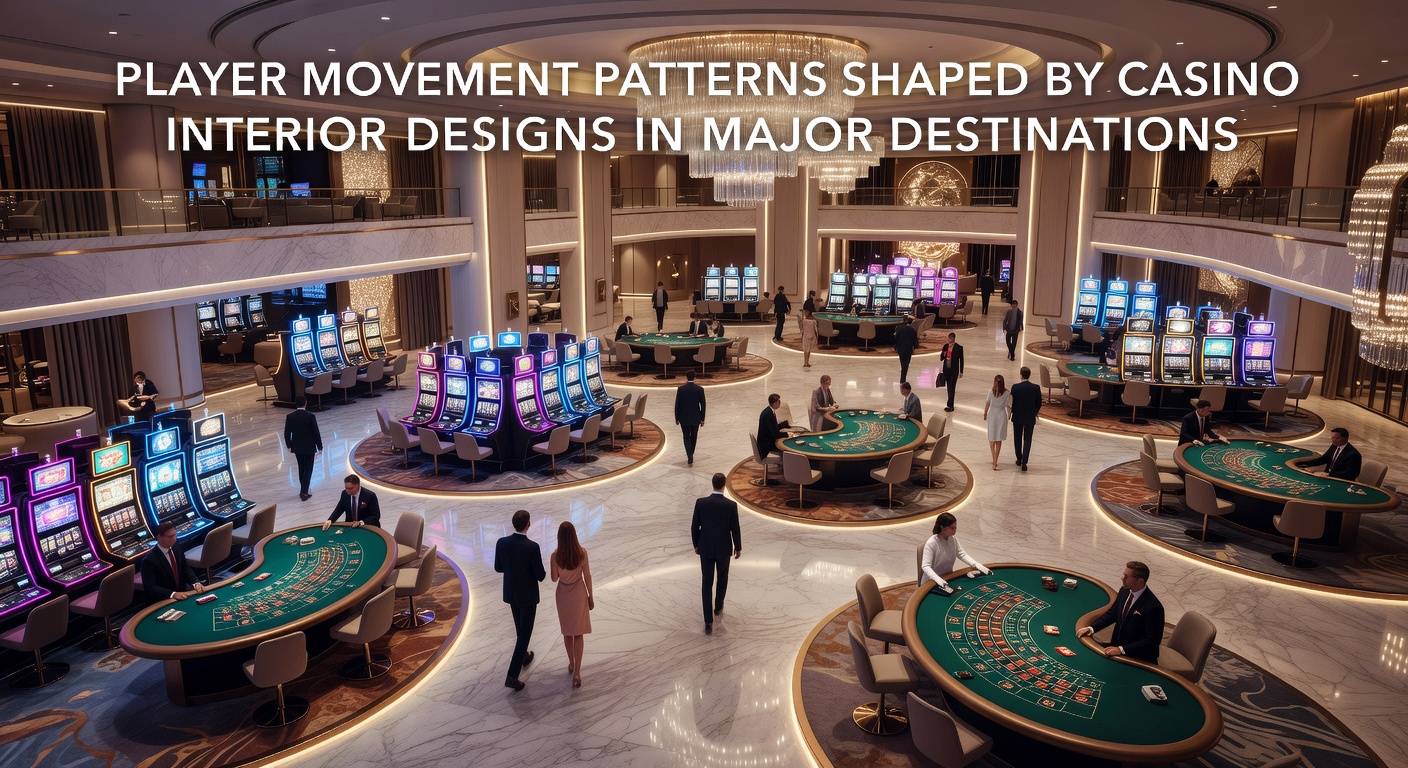
Designers craft casino interiors to channel visitors along specific routes that maximize exposure to games and amenities, and this approach shapes daily patterns across destinations like Las Vegas, Macau, and Singapore. Observers note that pathways often curve gently rather than run straight, which encourages slower walks and more stops at slot banks or promotional displays while preventing quick exits toward the street.
Core Design Tactics That Influence Routes
Carpet patterns with bold contrasts and swirling motifs pull attention downward, which slows strides and directs feet toward high-traffic gaming areas; meanwhile, strategic lighting highlights machines with recent jackpots, creating visual anchors that draw crowds along predetermined loops. Researchers at hospitality programs have documented how the absence of windows and clocks removes external time cues, so visitors remain inside longer and follow looping circuits that connect table pits to restaurants and back again.
Sound engineers layer ambient noise from slot reels and distant cheers to mask distance, which reduces the sense of how far one has walked and keeps groups moving toward central attractions. Data collected from floor sensors in several large properties shows that players cover 30 percent more ground when these audio elements guide them past secondary gaming zones rather than allowing direct lines to exits.
Patterns Observed in Las Vegas Resorts
Strip properties arrange slot rows in diagonal grids that funnel foot traffic past sportsbooks and high-limit rooms before reaching hotel towers, and this configuration produces steady streams of movement during peak evening hours. Studies tracking badge-worn sensors reveal that first-time visitors spend an average of 42 minutes navigating these grids before settling at a preferred game, while repeat guests follow shorter, habitual paths that still pass revenue-generating features.
Expansions completed ahead of May 2026 introduced wider promenades lined with interactive kiosks, yet the core loop structure stayed intact so that crowds continue to circulate between new retail outlets and established table areas without creating bottlenecks at any single point.
Macau and Singapore Layout Adaptations
Macau operators favor multi-level designs connected by escalators positioned near high-stakes baccarat salons, which channels premium players upward while directing mass-market visitors along ground-floor paths packed with electronic tables. Figures released by regional gaming authorities indicate that these vertical routes increase average dwell time by 18 minutes per visit compared with single-level plans.
Singapore resorts integrate garden atriums and water features that break sight lines, forcing visitors to choose among several curved corridors instead of one obvious route; this tactic spreads traffic evenly and reduces congestion near popular roulette sections. Industry reports from the Casino Regulatory Authority of Singapore highlight how such natural dividers maintain steady flow even during holiday peaks without requiring extra security staff.
Atlantic City and European Venue Comparisons
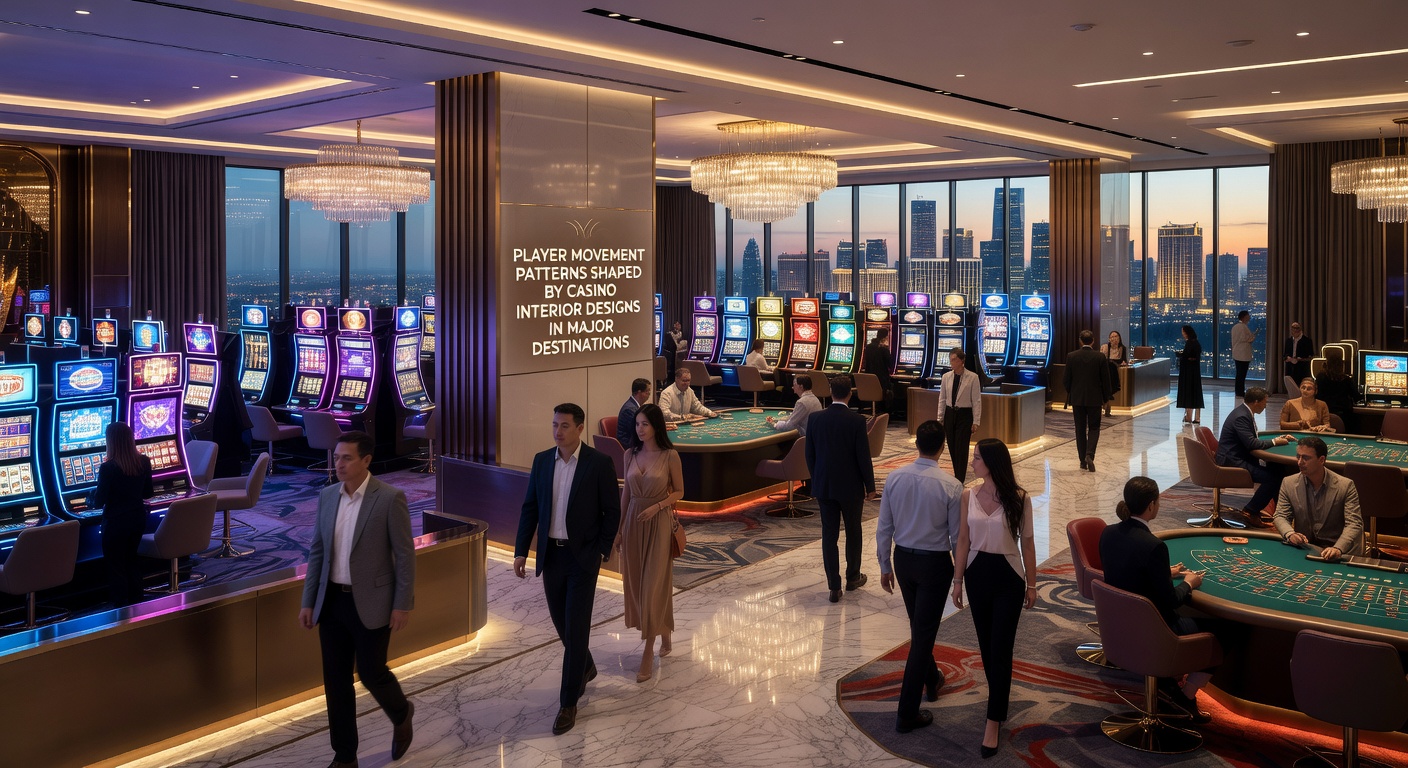
Boardwalk casinos in Atlantic City position entrances directly opposite slot clusters that lead toward theater entrances, so concertgoers encounter additional gaming opportunities on their way in and out; sensor data shared by teh New Jersey Division of Gaming Enforcement shows a measurable uptick in machine play during event nights when these alignments are present. Older properties retain narrower aisles that create a more intimate feel, yet newer builds incorporate wider lanes to accommodate larger groups without altering the overall circulation pattern.
Venues in continental Europe often place bars and lounges at the center of radial pathways, which draws players outward from gaming zones during breaks and then back again once refreshments are finished. Academic papers from hospitality research centers note that this central-hub model produces balanced traffic distribution across multiple floors, reducing wait times at popular tables while keeping visitors engaged with the surrounding environment.
Technology and Future Adjustments
Operators now layer mobile apps and digital wayfinding screens onto traditional physical cues, allowing real-time adjustments when sensors detect overcrowding along one route and suggest alternatives through notifications. Early trials conducted in properties ahead of summer 2026 schedules demonstrated that these hybrid systems cut average navigation time by 12 percent while maintaining exposure to targeted promotional areas.
Analysts tracking movement data across multiple jurisdictions report that the combination of architectural elements and digital prompts creates adaptable patterns that respond to daily visitor volumes without requiring major renovations. These systems preserve the core objective of guiding guests through revenue centers while accommodating shifting crowd sizes during conventions or holiday periods.
Conclusion
Interior designs in major casino destinations continue to evolve through measured adjustments to pathways, lighting, and sensory details that collectively steer player movement. Data from regulatory bodies and research institutions shows consistent results across regions, where thoughtful layouts increase time on property and distribute activity across varied gaming and amenity zones. As properties incorporate both physical refinements and digital tools, the underlying patterns remain focused on smooth circulation that benefits operational efficiency and visitor experience alike.