7 Jul 2026
Global Gaming Connections: How Affiliates, Venues, and Recovery Paths Interlink Across Regions
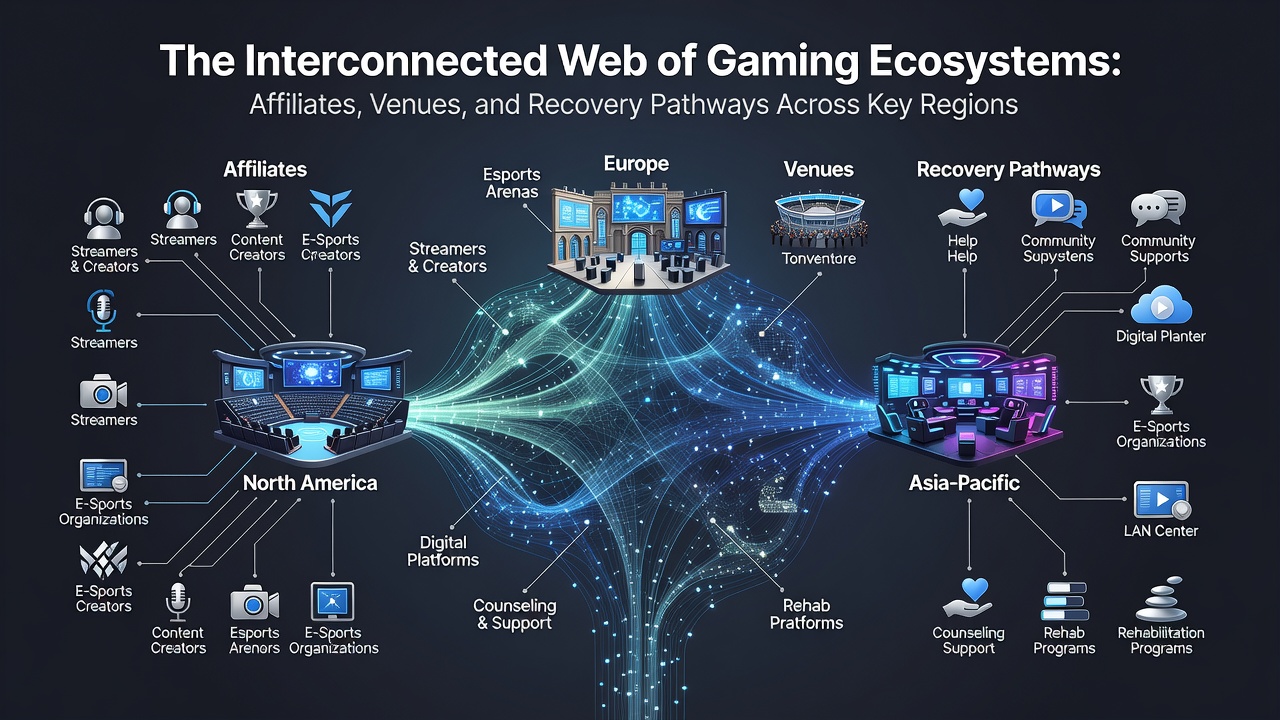
Observers note that gaming industries operate through layered networks where marketing partners, physical locations, and support services connect in measurable ways, and data from regulatory filings shows these links influence player flows and revenue streams in distinct markets. Affiliates function as digital bridges by promoting online platforms through targeted campaigns while physical venues maintain regional footprints that draw local and tourist traffic alike, yet recovery pathways integrate with both sectors via mandatory contribution programs in several jurisdictions.
Figures from industry reports reveal that affiliate marketing accounts for significant portions of player acquisition in online segments, and those who've tracked performance metrics across North America and Europe find that commission structures often tie directly to deposit volumes generated through referral sites. In parallel, brick-and-mortar casinos in established markets like Nevada and Atlantic City report consistent foot traffic patterns that affiliates sometimes reference when designing location-specific promotions, creating feedback loops between digital outreach and on-site activity.
Affiliates as Network Connectors
Research indicates that affiliate programs in gaming rely on performance-based models where operators pay partners for qualified traffic, and this setup extends across borders because many programs accept participants from multiple countries provided they comply with local advertising rules. Data shows concentrated activity in regions with legalized online play such as parts of Canada and several Australian states, while those monitoring compliance note that disclosure requirements have tightened since 2023 to reduce misleading promotions.
What's interesting is how affiliates increasingly incorporate venue information into their content, directing users toward both digital options and nearby physical sites, and this dual focus appears in campaign analytics from operators active in the western United States. Government statistics from the Nevada Gaming Control Board document steady growth in combined online and land-based revenues through mid-2025, suggesting the pathways remain intertwined even as new licensing rounds approach in July 2026.
Physical Venues and Their Ecosystem Role
Physical casinos serve as anchor points in regional economies, and employment data from state gaming agencies shows they support thousands of jobs while generating tax contributions that fund public programs including problem gambling services. In Australia, venue operators contribute portions of revenue to state-administered harm minimization funds, whereas Canadian provincial regulators require similar allocations that support treatment centers in provinces with active casino operations.
Take one analysis from the American Gaming Association that tracked venue visitor demographics through 2025, and it found overlaps with online player profiles promoted by affiliates, indicating shared customer bases rather than entirely separate groups. Observers point out that venue loyalty programs sometimes integrate with affiliate tracking systems, allowing cross-promotion that funnels players between channels while maintaining responsible gambling prompts at both touchpoints.
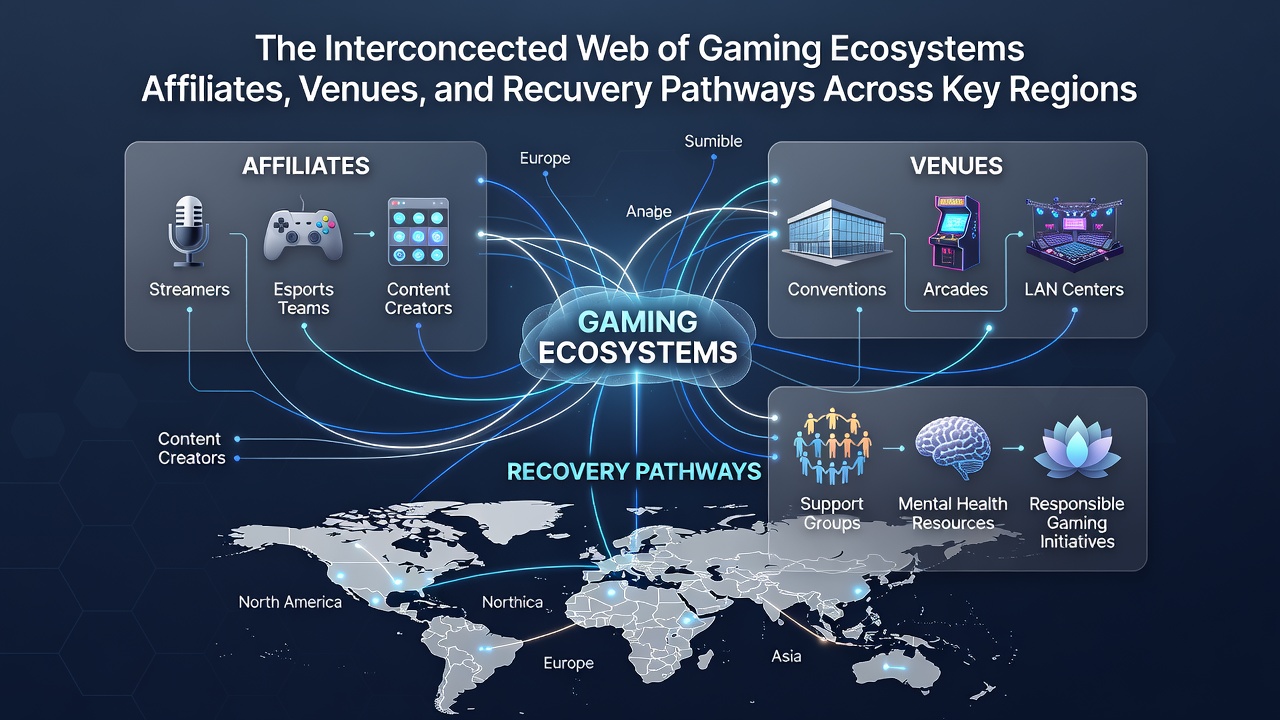
Recovery Pathways Within the Larger Structure
Recovery resources connect to the broader ecosystem through mandatory funding mechanisms, and studies compiled by academic researchers at institutions such as the University of Sydney demonstrate that helpline utilization rates correlate with advertising volume in certain markets. Those examining program outcomes note that self-exclusion databases maintained by regulators often receive referrals from both venue staff and affiliate-hosted responsible gambling pages, creating direct referral routes.
Evidence from the National Council on Problem Gambling indicates that integrated support models in the United States have expanded since 2024, with several states linking venue contributions to online operator fees to sustain statewide services. In European markets outside the United Kingdom, national bodies in countries like Sweden and the Netherlands report similar funding streams that support treatment access while monitoring affiliate compliance with advertising codes.
Regional Variations and Emerging Patterns
Patterns differ by jurisdiction because regulatory frameworks shape how affiliates, venues, and recovery services interact, and Canadian provincial data reveals tighter integration in Ontario compared with other areas following online legalization. Australian state reports highlight venue-based interventions that pair with national online self-exclusion registers, whereas Asian markets with limited legalization show narrower affiliate activity concentrated around approved resorts.
Projections shared by industry analysts suggest that licensing expansions scheduled for July 2026 in select U.S. states could further link these elements as new online entrants adopt established affiliate networks and contribute to existing treatment funds. Researchers continue to track these developments through public filings rather than assuming uniform outcomes across regions.
Conclusion
The documented connections among affiliates, physical venues, and recovery pathways reflect structured regulatory and commercial arrangements rather than isolated components, and ongoing data collection by government agencies and research groups continues to map these relationships across key markets. Updated figures expected after the 2026 licensing cycles will provide additional clarity on how these networks evolve under changing policies.