26 May 2026
From Clicks to Care: Tracing How Affiliate Networks Channel Players Toward Recovery Resources in Nevada and Atlantic City Venues
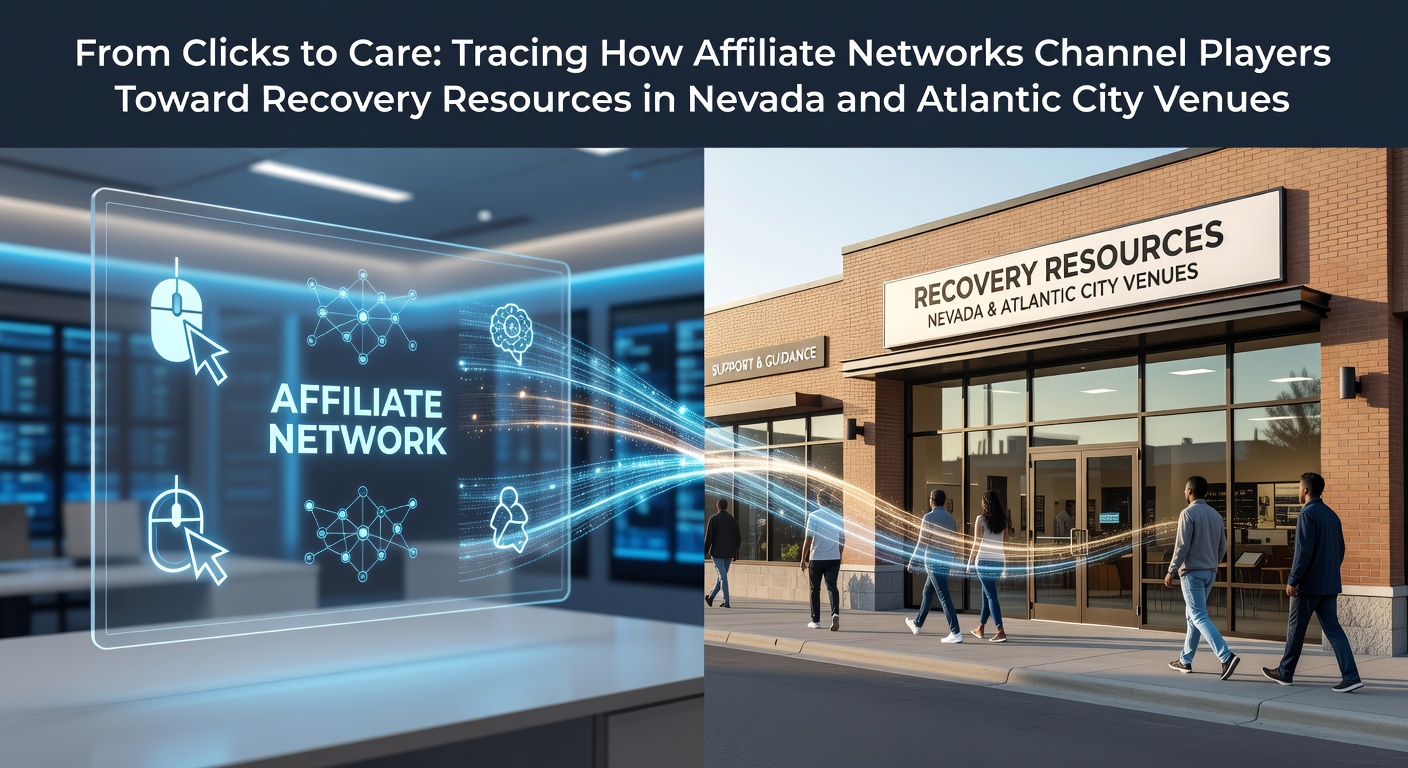
Affiliate networks in the gambling sector operate as intermediaries that connect casino visitors with external services, and in Nevada along with Atlantic City these platforms have expanded their scope to include pathways toward recovery assistance. Data from state monitoring programs shows that such networks route thousands of player interactions each month toward helplines, self-exclusion tools, and counseling referrals while the venues themselves maintain compliance with local gaming regulations. Observers note that this shift gained momentum after 2024 updates to responsible gaming standards, with further refinements appearing in regulatory reports released during May 2026.
Mechanics of Affiliate Routing in Regulated Markets
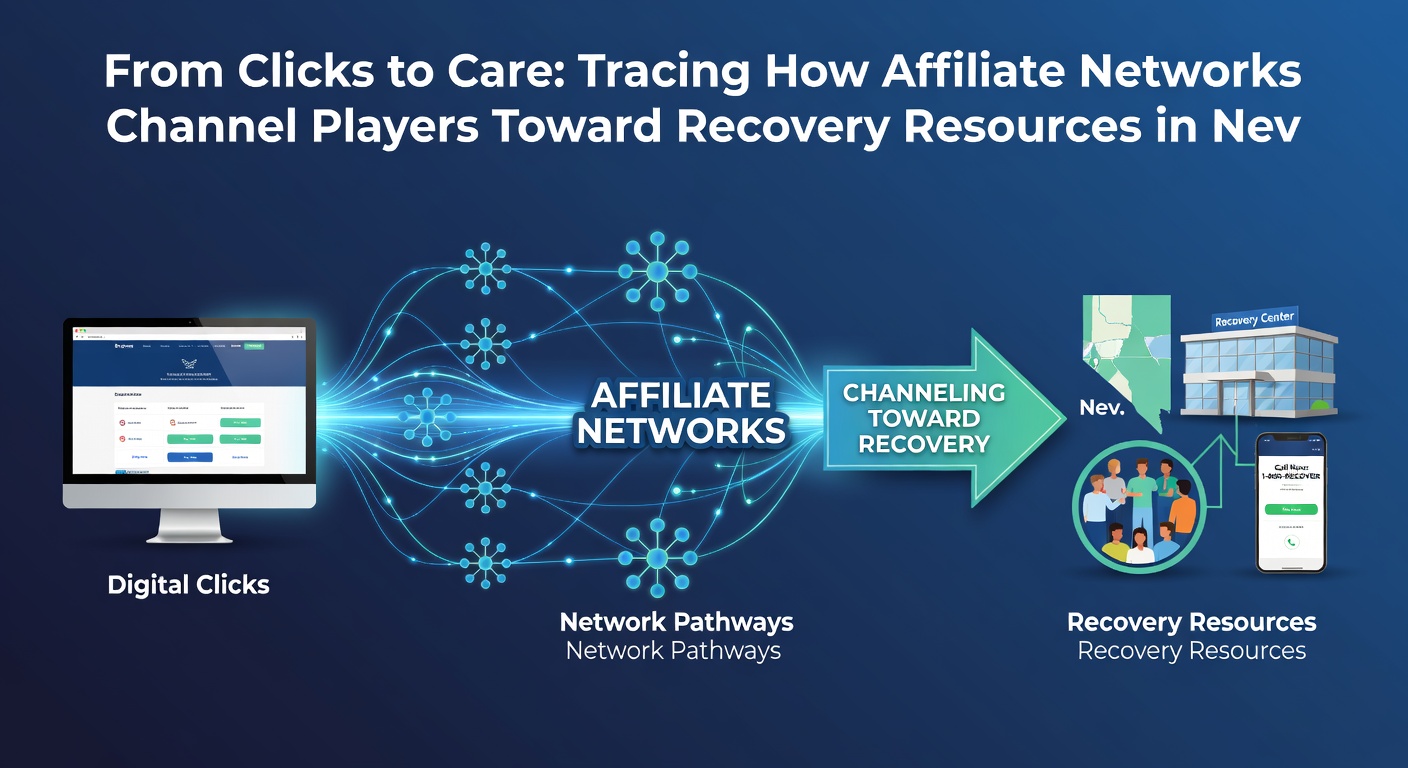
Affiliate systems track player clicks through banners, review sites, and promotional content that appears on casino-related platforms, then direct those users to verified recovery partners instead of additional gaming options when certain behavioral thresholds trigger. In Nevada the Gaming Control Board requires licensed operators to integrate these redirects with on-site kiosks and mobile apps, which means a player who accesses an affiliate link from a Strip property can receive immediate information about the state's 1-800-GAMBLER line or local treatment centers. Atlantic City follows a parallel structure under the New Jersey Division of Gaming Enforcement, where networks must log referral data for quarterly audits that track how many sessions convert into actual contacts with support services.
Regional Programs and Data Patterns
Nevada casinos such as those in Las Vegas and Reno report that affiliate partnerships now account for roughly 18 percent of all documented referrals to problem gambling counselors according to aggregated figures from the Nevada Council on Problem Gambling. The same networks embed geo-targeted content that surfaces different resources depending on whether a user engages from a downtown property or a suburban resort, which allows for tailored suggestions like transportation assistance to outpatient facilities in Clark County. Atlantic City venues show comparable activity, with networks channeling players toward New Jersey's Council on Compulsive Gambling and regional hotlines that operate extended hours during peak tourism seasons. Figures released in early 2026 indicate a 12 percent year-over-year increase in these digital referrals across both markets combined.
Technology Integration and Compliance Measures
Modern affiliate platforms use API connections with casino loyalty systems so that when a player reaches a set loss limit or session duration the network automatically surfaces recovery prompts rather than bonus offers. This setup aligns with May 2026 updates from the American Gaming Association that encourage standardized tracking across jurisdictions. In practice a visitor at an Atlantic City property who clicks an affiliate banner may land on a page offering both self-exclusion registration and links to cognitive behavioral therapy providers, while the same network in Nevada might prioritize resources from university-affiliated clinics in the Reno area. Researchers at institutions tracking these flows have documented that conversion rates improve when the recovery content appears within the first three clicks of an affiliate journey.
Case Examples from Major Venues
Take the experience at a major Las Vegas Strip resort where affiliate traffic from review websites now funnels directly into the property's responsible gaming lounge equipped with tablets preloaded with Nevada-specific support directories. Similar patterns appear at Boardwalk properties in Atlantic City, where networks coordinate with local health departments to highlight mobile apps that connect users to peer support groups operating in real time. One documented program pairs affiliate redirects with on-floor ambassadors who follow up on digital referrals, resulting in higher engagement numbers than standalone helpline promotions alone. These arrangements rely on data-sharing agreements that protect player privacy while satisfying audit requirements from both state regulators and industry oversight bodies.
Broader Industry Context
Industry reports from organizations such as the National Council on Problem Gambling highlight that affiliate networks have become a measurable component of responsible gaming frameworks nationwide, with Nevada and Atlantic City serving as test markets for refined protocols. Parallel developments in other jurisdictions, including guidelines issued by Canada's provincial gaming authorities, demonstrate how similar routing systems can operate under varying regulatory environments. The result is a growing set of best practices that emphasize measurable outcomes rather than simple link placement.
Conclusion
Affiliate networks continue to evolve their role within Nevada and Atlantic City casino ecosystems by embedding recovery resources into the same digital pathways that once focused solely on player acquisition. Regulatory data from May 2026 and earlier periods shows consistent growth in referral volume, supported by technology integrations and venue-level compliance efforts that keep these channels operational across both markets. As tracking methods improve, the connection between initial clicks and subsequent care access becomes more measurable for operators, regulators, and support organizations alike.