14 Jul 2026
Entertainment Partnerships Reshaping Casino Resort Development in Global Markets
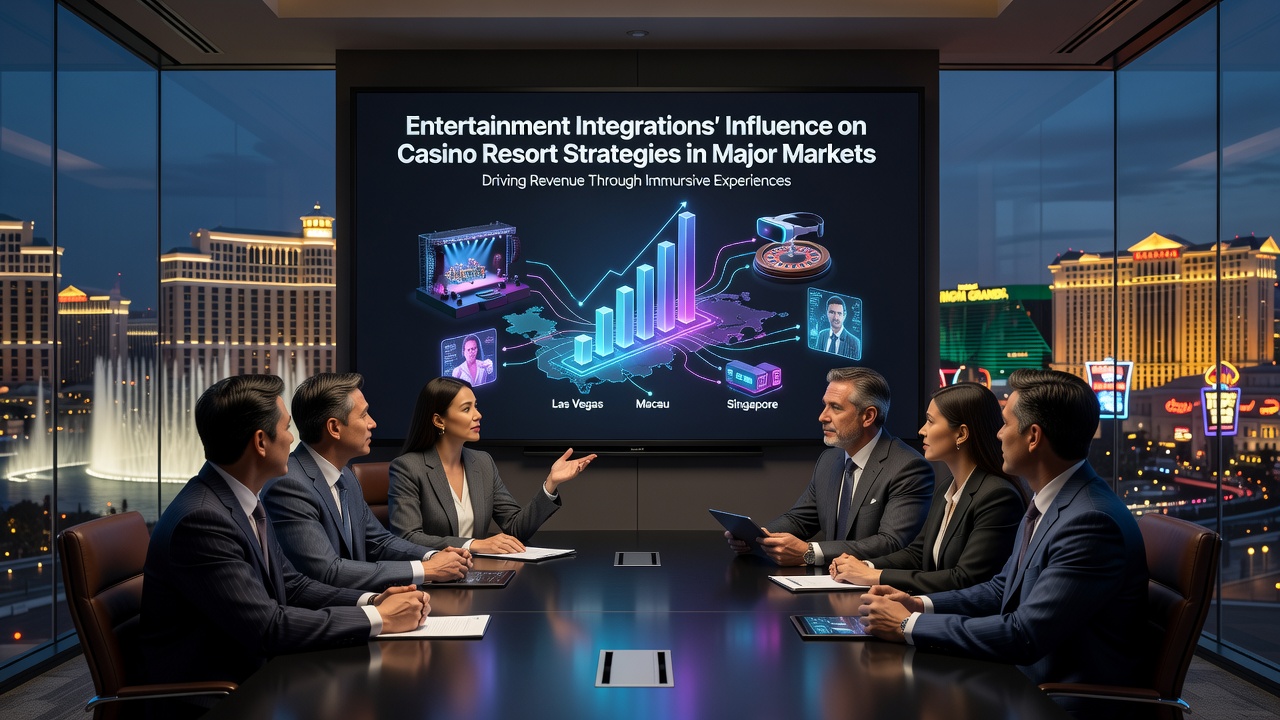
Resort operators in major gaming destinations have increasingly woven live performances, dining concepts, and attraction tie-ins into their core planning since the mid-2010s, and data from industry tracking groups shows this approach now accounts for growing shares of total revenue in places like Las Vegas and Macau. Observers note that these integrations allow properties to draw visitors who may spend less time at gaming tables yet contribute through ticket sales, hotel packages, and retail while operators adjust floor layouts and marketing calendars to accommodate touring schedules and seasonal events.
Shifts in Revenue Models Across Key Regions
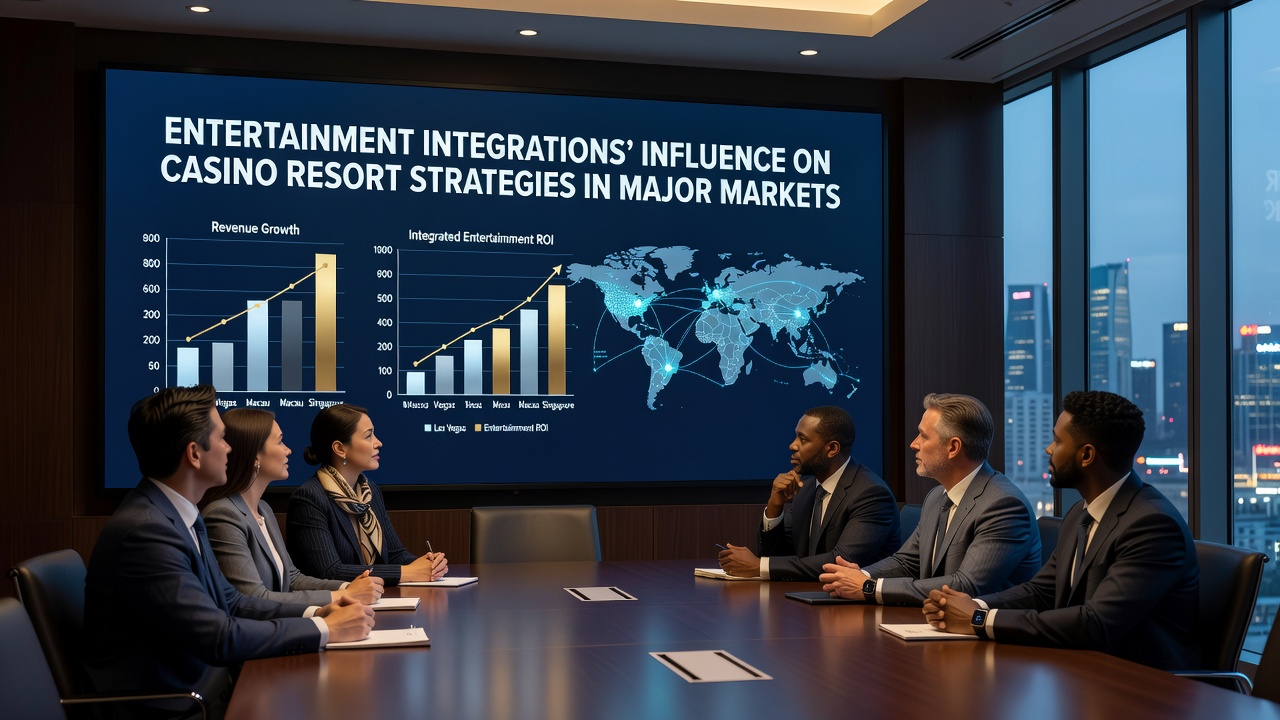
Figures from the Nevada Resort Association indicate that non-gaming revenue at Las Vegas Strip properties rose from roughly 35 percent of total income in 2015 to over 48 percent by 2024, with entertainment venues such as concert halls and branded restaurants serving as primary drivers. Properties have responded by leasing space to external promoters for residencies and one-off events, which in turn influences decisions on square footage allocation and parking infrastructure. In Macau, where gaming historically dominated, the introduction of family-oriented shows and arena-style venues has coincided with a measurable uptick in visitor length of stay according to local tourism board statistics, prompting operators to negotiate longer-term content deals that lock in programming through at least July 2026.
Strategic Adjustments in Property Design and Operations
Architectural plans for new or renovated resorts now routinely include multi-purpose theaters sized between 2,000 and 20,000 seats, while back-of-house corridors are configured to support rapid stage changes and equipment load-ins. Casino managers coordinate shift schedules around performance times so that table games and slot areas remain staffed during peak entertainment hours, and loyalty programs have been updated to award points for both gaming and ticket purchases. Those who have studied these patterns observe that properties with strong entertainment calendars often report steadier occupancy rates during mid-week periods when gaming volume alone tends to dip.
Case Examples from Different Markets
One integrated resort in Singapore expanded its indoor arena in 2023 to host international music acts and e-sports tournaments, resulting in a reported 12 percent increase in non-gaming spend per visitor within the first year according to the Casino Regulatory Authority of Singapore. In Atlantic City, several boardwalk properties have partnered with regional theater companies to stage limited-run productions that align with existing hotel blocks, allowing operators to market bundled packages through regional travel agents. Australian properties in Melbourne and Perth have similarly incorporated live music venues and comedy clubs, with data from state gaming regulators showing these additions correlate with higher foot traffic from non-gaming tourists during shoulder seasons.
Technology and Content Partnerships Driving Further Integration
Resort groups have formed alliances with streaming platforms and talent agencies to secure exclusive content windows, and digital ticketing systems now link directly to on-site rewards apps so that attendees receive targeted offers for dining or gaming credits. Research published by the University of Nevada, Las Vegas International Gaming Institute highlights how real-time data on attendance patterns helps operators fine-tune marketing spend and staffing levels weeks in advance. These systems also support dynamic pricing for hotel rooms tied to entertainment calendars, a tactic that has become standard in markets where seasonal fluctuations once created wide swings in revenue.
Regulatory and Infrastructure Considerations
Planning departments in several jurisdictions now require entertainment venue specifications to be included in resort expansion applications, and noise, traffic, and safety reviews have lengthened approval timelines yet also encouraged more detailed operational protocols. Operators report that working with local transit authorities to add shuttle routes during major events has reduced congestion complaints while expanding the effective catchment area for visitors. Data compiled by the American Gaming Association shows that properties investing in these coordinated approaches maintain higher compliance scores during routine inspections because contingency plans for crowd management are already embedded in daily operations.
Future Planning Horizons Through 2026 and Beyond
Industry forecasts prepared by research firms tracking global gaming markets project continued growth in entertainment square footage at new resort developments, particularly in emerging Asian and Middle Eastern locations where operators seek to differentiate from pure gaming competitors. Contracts already signed for residencies and touring productions extend well into 2027, giving resort executives visibility into programming calendars that directly shape capital expenditure priorities and staffing models. Those monitoring these trends note that successful integration depends on aligning entertainment offerings with local cultural preferences and regulatory limits on operating hours, a balance that continues to evolve as visitor demographics shift across regions.
Conclusion
Entertainment integrations have moved from supplementary amenities to central elements of resort strategy in major markets, influencing everything from architectural footprints and revenue diversification to staffing coordination and regulatory compliance. Data across multiple jurisdictions demonstrates measurable impacts on occupancy, length of stay, and non-gaming spend, while ongoing content partnerships and technology linkages point toward further embedding of these elements in future planning cycles through July 2026 and beyond.