23 Aug 2026
Demographic Evolution Is Altering Resort Entertainment Participation
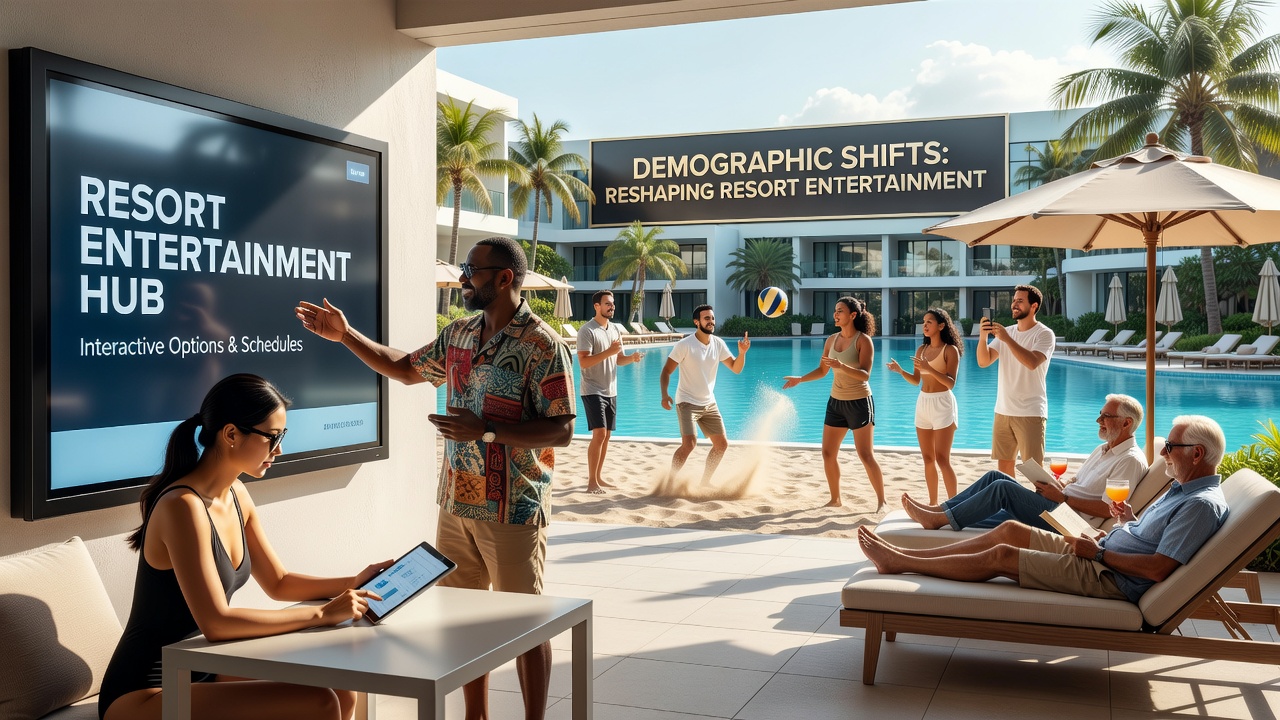
Population structures across many regions continue to shift, and these changes directly influence how people engage with resort-based entertainment options, from gaming floors to live performances and recreational amenities. Data compiled by national statistical agencies show rising median ages in developed markets alongside growing shares of younger cohorts in emerging travel segments, which in turn shapes demand for specific activities and facility designs.
Age Distribution Trends and Their Reach
Baby boomers, now entering their late seventies and early eighties, represent a substantial portion of repeat resort visitors in North America and parts of Europe, yet their activity preferences lean toward lower-intensity experiences such as table games with social elements and scheduled entertainment rather than extended sessions at high-stakes machines. Meanwhile, millennials and Generation Z travelers, who together form an increasing share of leisure bookings according to figures from the Australian Bureau of Statistics, prioritize immersive events, wellness integrations, and technology-driven attractions over traditional gaming formats.
Researchers tracking participation rates note that these younger groups often combine resort stays with broader regional itineraries, which reduces average length of stay at any single property while increasing demand for flexible packages that include outdoor adventures or cultural excursions. The result appears in occupancy patterns where properties adjust staffing and programming calendars to accommodate shorter but more frequent visits concentrated around weekends and holiday periods.
Cultural Diversity and Regional Variations
Immigration and internal migration patterns add further layers, as communities from Asia, Latin America, and Africa bring distinct entertainment expectations to resort destinations in the United States, Canada, and Australia. Census data from Statistics Canada indicate rising numbers of multicultural households participating in resort travel, prompting operators to expand food offerings, language services, and entertainment formats that reflect broader tastes. Similar patterns surface in reports from the European Commission on tourism flows, where inbound visitors from varied backgrounds influence seasonal programming at coastal and mountain resorts alike.
Observers note that these demographic layers interact with economic factors such as disposable income levels and remote work flexibility, allowing some cohorts to extend mid-week stays while others cluster around peak holiday windows. Properties respond by diversifying entertainment calendars, introducing hybrid events that blend gaming with live music or culinary demonstrations to capture overlapping interests across age and cultural groups.
Participation Metrics and Recent Patterns
Industry tracking through August 2026 reveals continued adjustments in visitor composition at major resort destinations, with data indicating steady growth in family-oriented bookings alongside sustained interest from older demographics in destination properties offering medical and accessibility services. Participation in resort-based gaming shows modest declines in certain segments while non-gaming revenue streams such as spa visits, dining experiences, and ticketed shows register increases, reflecting the broader spread of demographic influences.

Analysts examining longitudinal datasets point to urban-to-rural migration among remote workers as one driver that boosts shoulder-season attendance at inland resorts, whereas coastal properties experience more pronounced swings tied to international travel recovery. These movements alter staffing requirements and inventory management for entertainment options, pushing facilities toward modular event spaces that can scale quickly between intimate performances and larger festivals.
Facility Adaptations and Programming Shifts
Resort operators review demographic projections when planning capital improvements, incorporating elements such as multi-generational common areas, enhanced digital interfaces for younger users, and quieter zones suited to older visitors. Research from academic institutions studying leisure behavior documents how these modifications correlate with higher repeat visitation rates across mixed demographic cohorts. Properties also adjust marketing channels, placing greater emphasis on social platforms that reach Gen Z and millennial travelers while maintaining loyalty programs tailored to the preferences of aging customers who value personalized service and predictable schedules.
What's interesting is how seasonal events now incorporate cross-generational appeal, combining classic gaming tournaments with contemporary music lineups or wellness workshops that draw participants from several age brackets simultaneously. Such programming choices emerge from analysis of booking data rather than assumptions, allowing operators to align offerings with observable shifts in who arrives and what they choose to do during their stays.
Conclusion
Demographic evolution continues to reshape participation patterns at resort-based entertainment venues through changes in age profiles, cultural composition, and travel behaviors. Statistical agencies and tourism researchers supply the figures that guide these adaptations, while properties implement targeted adjustments to facilities and schedules. As populations keep evolving, the range of available entertainment options at resorts reflects ongoing efforts to match observed visitor demographics with suitable experiences and amenities.