21 Jun 2026
Analytics Integration in Licensed Resort Zones: Gaming Floors, Recovery Networks, and Digital Partnerships
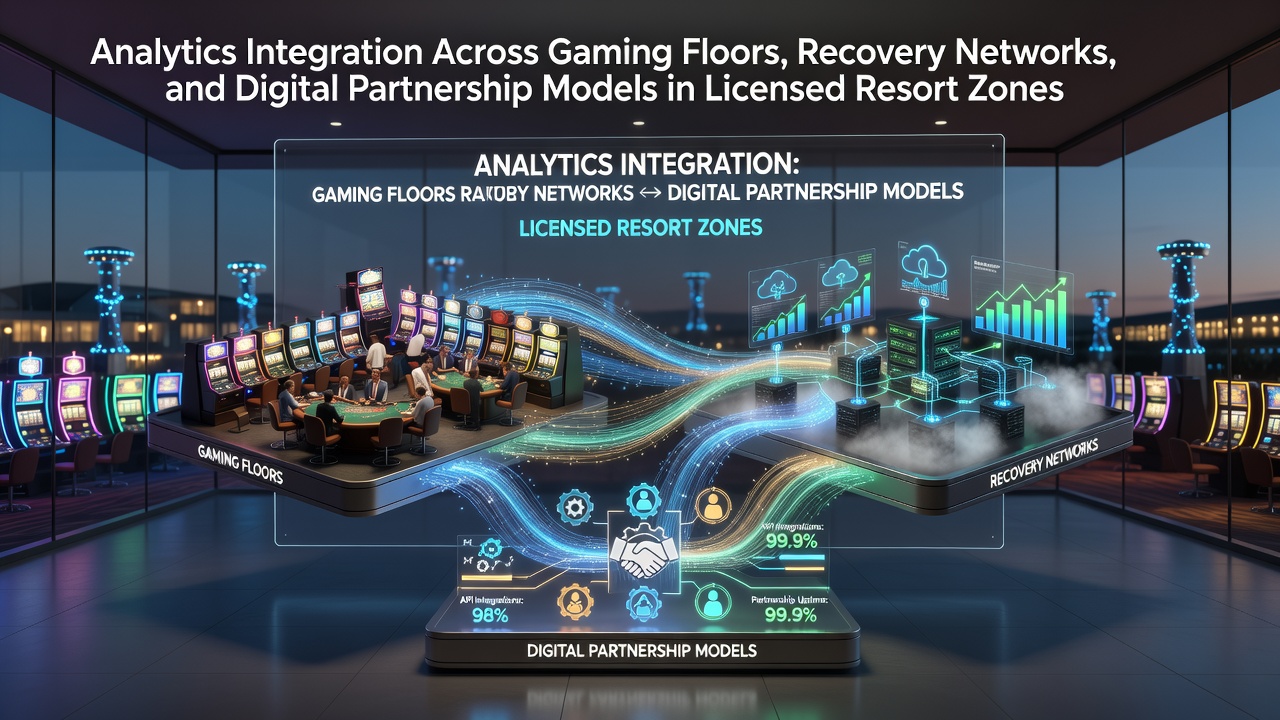
Analytics systems now link gaming floor operations with recovery support frameworks and digital partnership structures across licensed resort zones, creating connected data environments that track player activity, allocate resources, and coordinate external collaborations. These integrations rely on centralized platforms that pull information from slot machines, table games, loyalty programs, and external health databases, allowing operators and regulators to monitor patterns without separate silos.
Data Collection on Gaming Floors
Gaming floors generate continuous streams of information through player tracking systems, RFID chips, and surveillance feeds, and these inputs feed into analytics engines that identify session lengths, bet patterns, and machine performance. Operators use this information to adjust floor layouts while regulators access aggregated reports that comply with jurisdictional requirements. In June 2026, several zones plan to roll out updated API standards that standardize data exports from gaming devices to both internal dashboards and approved third-party recovery platforms.
Research from the International Gaming Institute shows that properties employing floor-wide analytics report measurable shifts in resource allocation, with heat maps guiding staffing decisions and promotional targeting. The same datasets support responsible gaming protocols by flagging extended play sessions that trigger automated alerts within connected recovery networks.
Linking to Recovery Networks
Recovery networks receive de-identified data feeds from gaming analytics platforms, enabling support organizations to receive timely referrals when behavioral indicators align with established risk thresholds. These connections operate under strict data-sharing agreements that satisfy privacy statutes in each licensed jurisdiction. Canadian Centre on Substance Use and Addiction documentation outlines how similar linkages in provincial settings allow counselors to access anonymized trend reports that inform program design without exposing individual identities.
Integration points typically include self-exclusion lists, voluntary limit-setting records, and session time alerts that route directly to designated helplines or on-site support teams. Observers note that this structure reduces response delays compared with earlier manual notification methods, though implementation varies by resort zone size and regulatory framework.
Digital Partnership Models
Digital partnerships extend analytics reach beyond physical resort boundaries through secure portals that connect operators with software vendors, marketing affiliates, and academic research teams. These models use encrypted channels and role-based access controls to share selected metrics such as aggregate spend distributions or geographic player origins. Partnerships often include clauses that require periodic audits to verify compliance with data minimization principles.
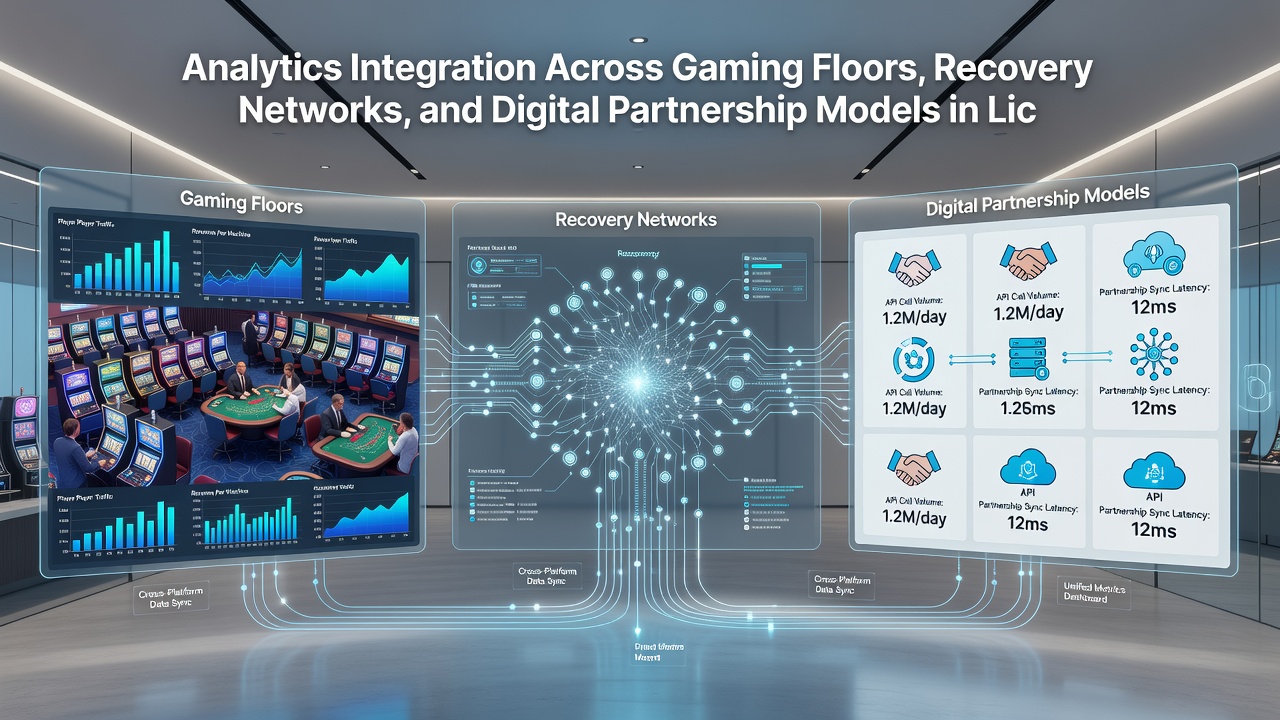
One documented arrangement involves a resort consortium that supplies anonymized floor data to university researchers studying regional gambling trends, with results feeding back into improved detection algorithms. Another model pairs gaming operators with fintech providers to streamline responsible payment tools that integrate directly with player accounts and recovery databases. Figures released by the Australian Institute of Health and Welfare indicate that zones adopting these partnership frameworks have recorded higher rates of successful referral completion when analytics triggers align with support service availability.
Regulatory and Technical Considerations
Licensed resort zones enforce technical standards that require analytics platforms to maintain audit logs, encryption at rest and in transit, and compatibility with government reporting portals. These rules ensure that data moving between gaming floors, recovery networks, and digital partners remains protected while still supporting operational insights. Jurisdictions update these standards periodically, with several scheduled reviews set for mid-2026 to address emerging machine learning applications.
Technical teams manage latency issues by deploying edge computing nodes on-site that preprocess data before transmission, reducing bandwidth demands on shared recovery and partnership channels. This architecture supports real-time alerts without compromising the integrity of longer-term trend analysis used by planners and policymakers.
Conclusion
Analytics integration across gaming floors, recovery networks, and digital partnership models continues to evolve within licensed resort zones through standardized data protocols, secure sharing agreements, and coordinated regulatory oversight. These systems rely on measurable inputs from devices and support services to maintain operational visibility while meeting privacy and compliance obligations. As updates scheduled for June 2026 take effect, the technical connections between these components are expected to expand further, supported by documented practices from research institutions and government agencies across multiple regions.